

Show & Tell: Dina Litovsky
Photography as social psychology

I launched FlakPhoto Show & Tell in 2024: short-form interviews focused on creative people and the culture that inspires them. I haven’t published one of these conversations in ages, and I’m excited to share a Q&A with photographer Dina Litovsky with you today. Dina writes the excellent In the Flash newsletter, and you have probably seen her work in a magazine at some point. She is a talented and inventive imagemaker, and I’m delighted to feature her today. Is there someone you think I should interview? Email anytime. I hope you like. Enjoy! — AA
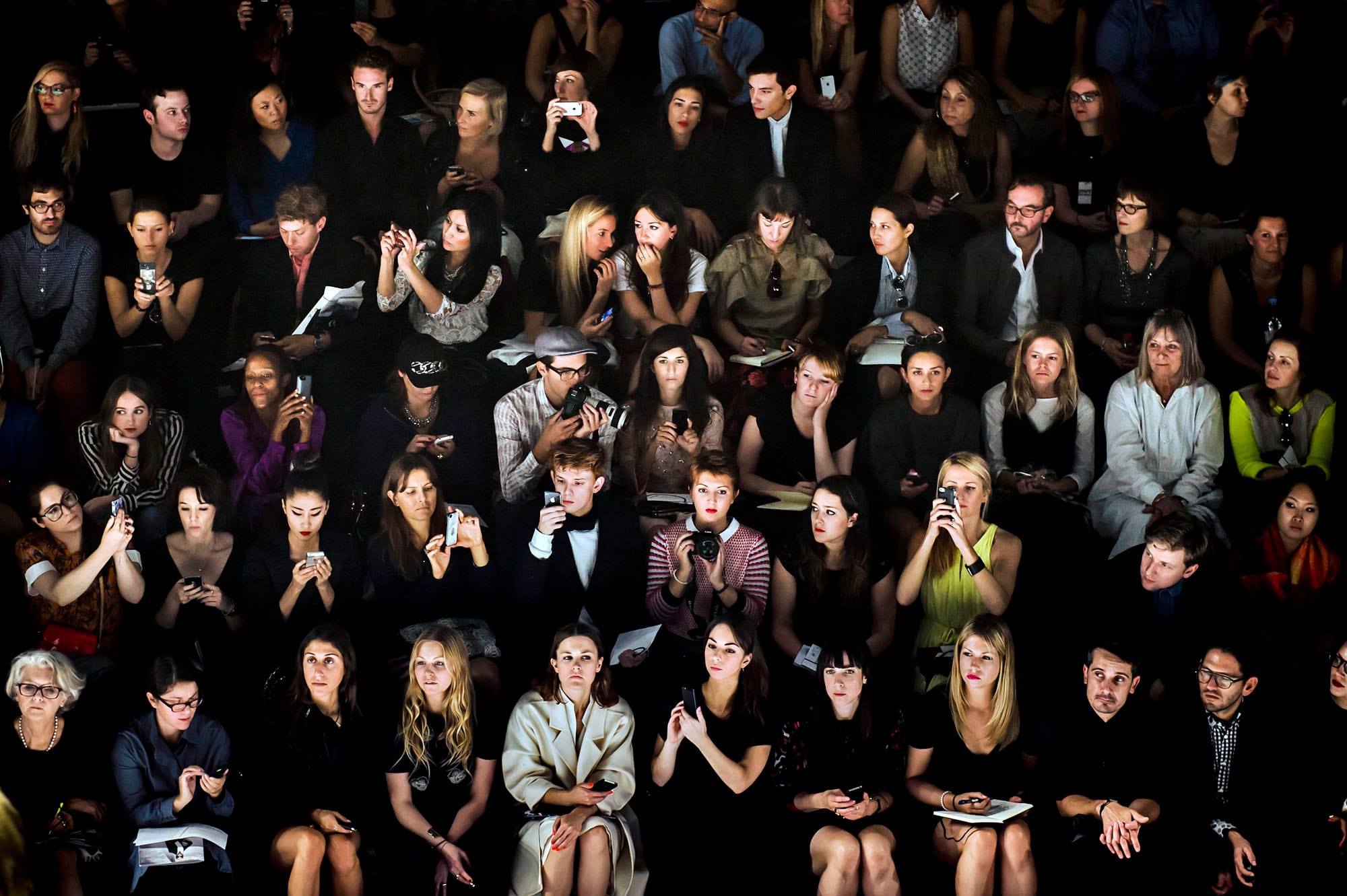
Tell us about yourself. Where are you from, and where do you live now?
I was born in Donetsk, Ukraine, and moved to NYC with my family when I was eleven. That was 1991, and I’ve been in New York City ever since, currently living in the East Village.
Could you describe your photography? What inspired you to pursue this art form?
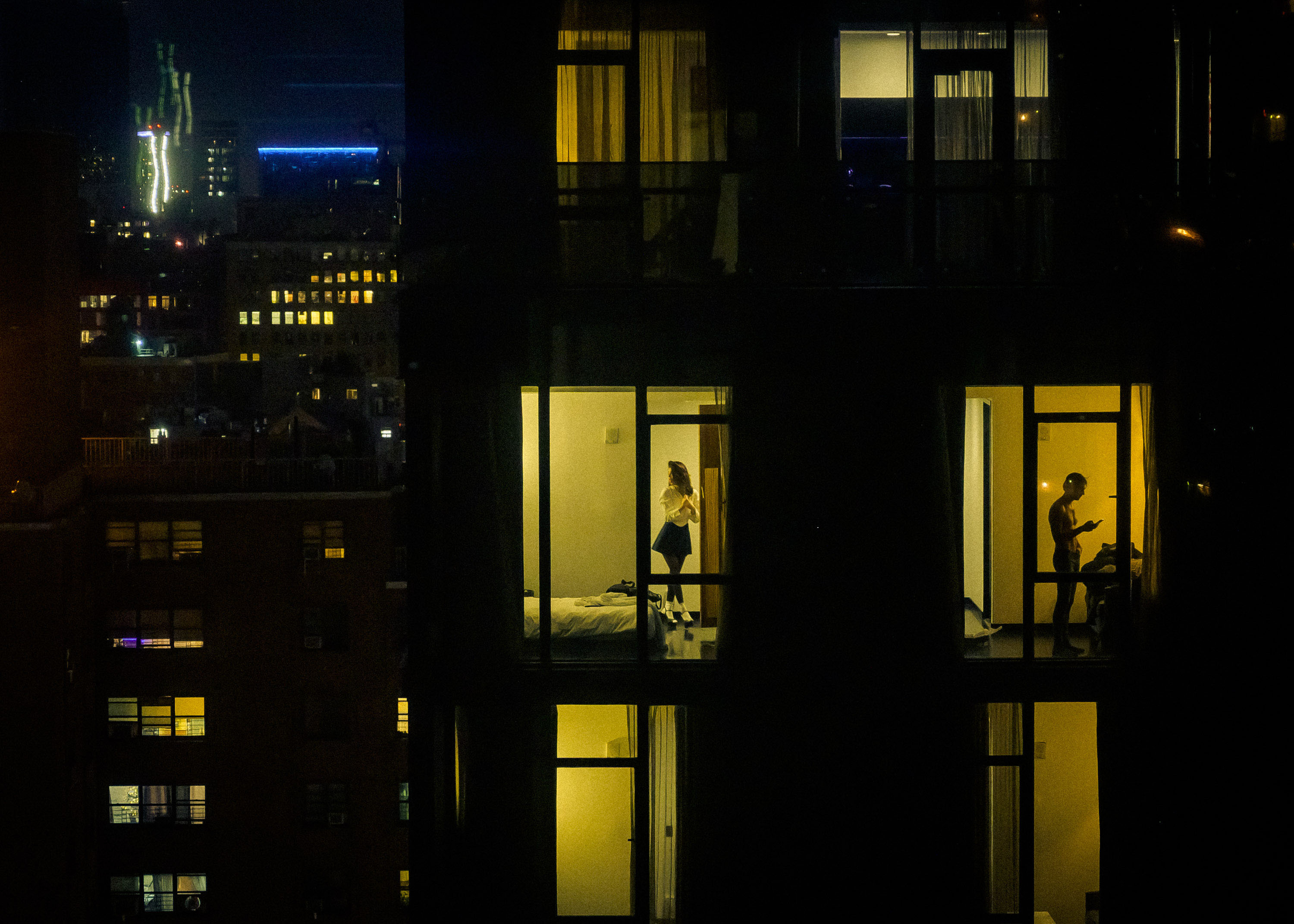
A lot of my work is a visual extension of my social psychology studies, and has been described as cultural anthropology. I am drawn to repeating themes of group behavior, subcultures, social masks, self-presentation, and the idea of leisure.
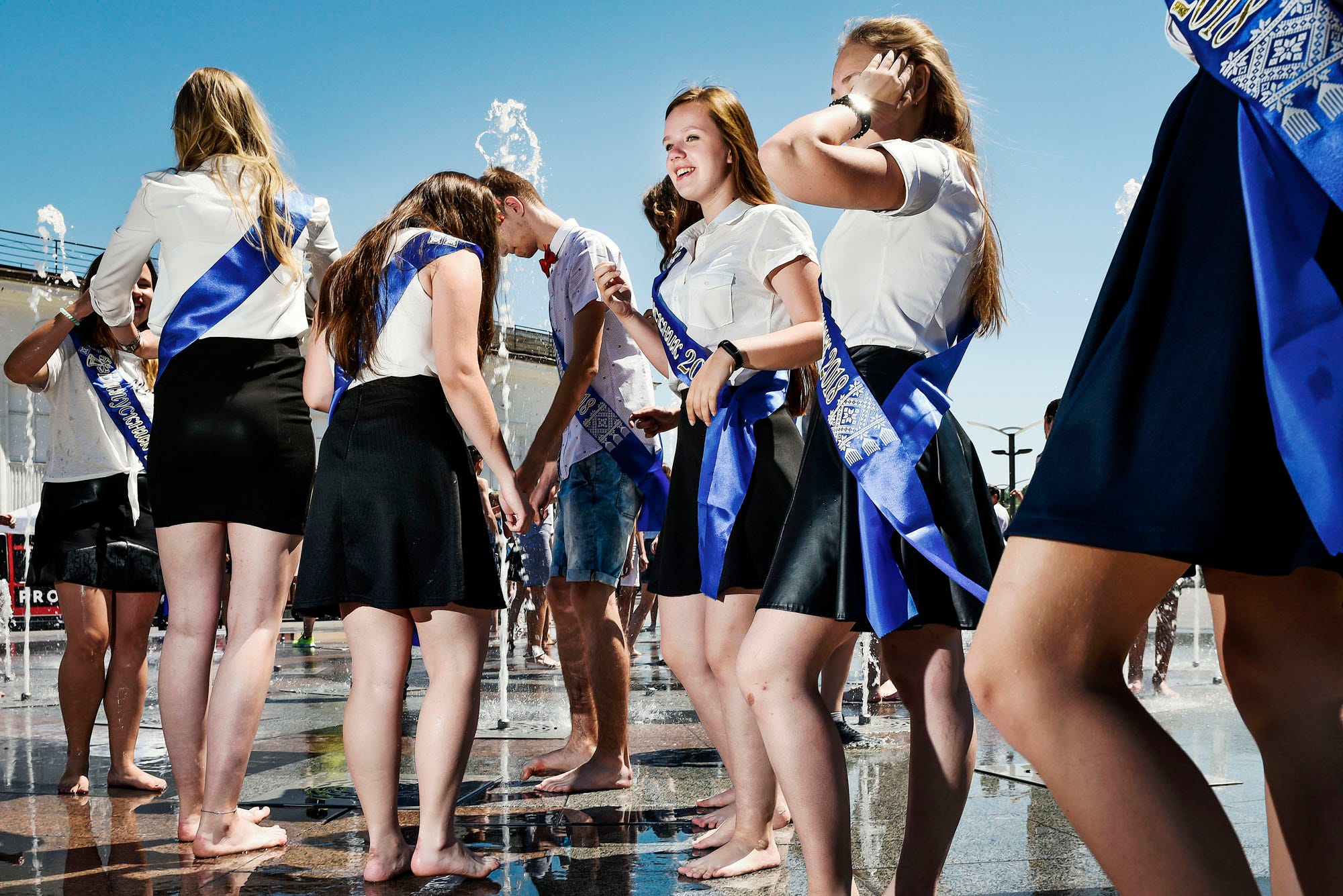
As a child, I used to draw, paint, and write poetry, and dreamt of becoming an artist. But for a family of Ukrainian Jewish immigrants, that wasn’t an option. My mom encouraged me to become either a doctor or a lawyer, and I’m using “encourage” as a euphemism. For my undergrad, I went to NYU to pursue my mom’s dream of me becoming a doctor, and I graduated with degrees in pre-med and psychology.
As graduation loomed closer, I became crippled with anxiety and took the Medical College Admission Test with the same excitement as if I were committing myself to prison. That year, I picked up my first camera and started photographing obsessively. A few years later, I told my parents I had decided to become a photographer. It took a long time for them to come to terms with that.
Do you have a particular approach to imagemaking? What’s your style?
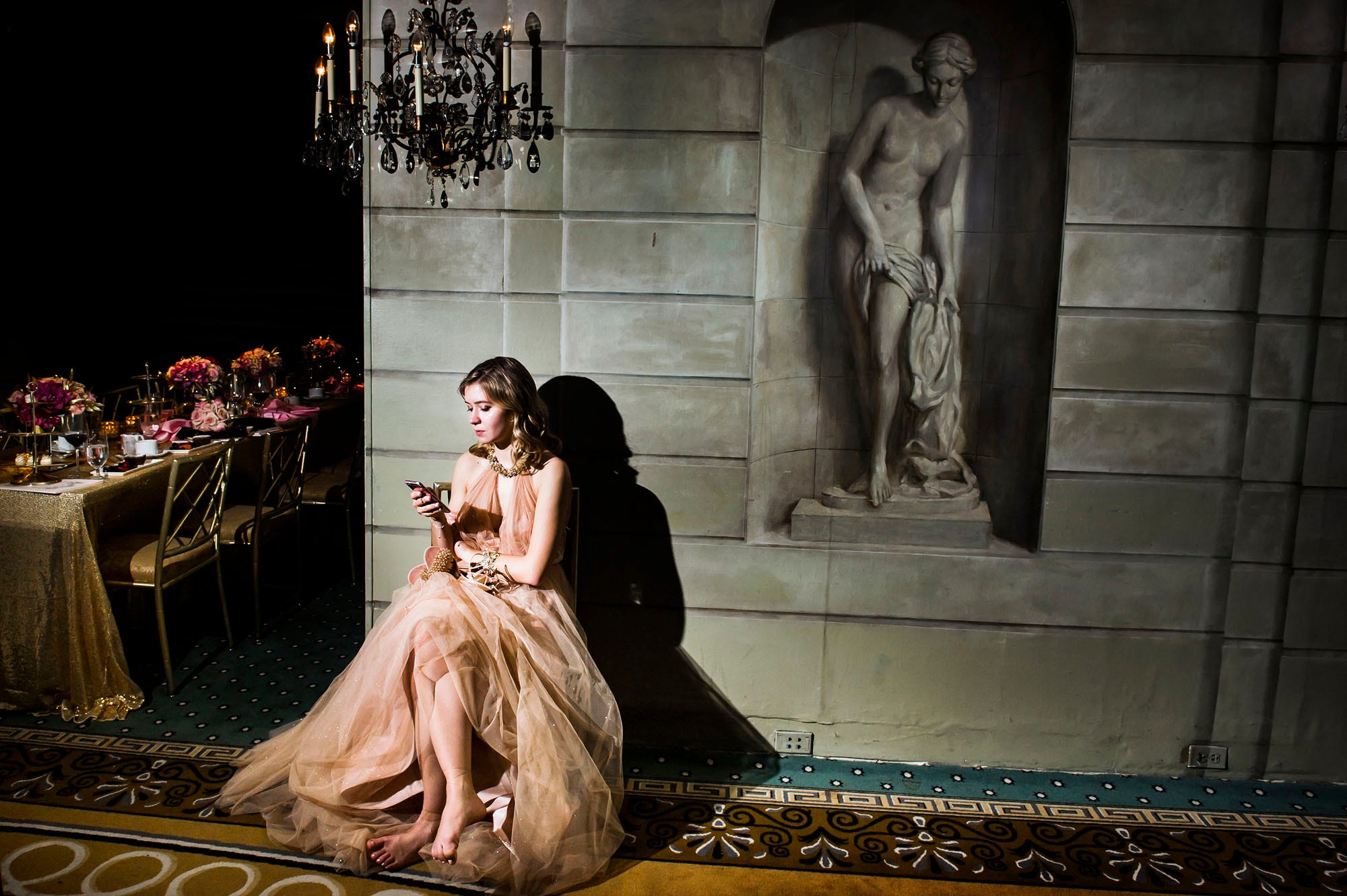
The hardest thing is to get away from myself and see things differently, so I like to keep experimenting and shifting my style to avoid repeating the same photo over and over. I get obsessed with techniques and ideas and pursue them until I get good and/or bored. But whether I use strobes or continuous lighting, experimental techniques or straight documentary, my work always skews to the dramatic.
Are you working on any projects at the moment?
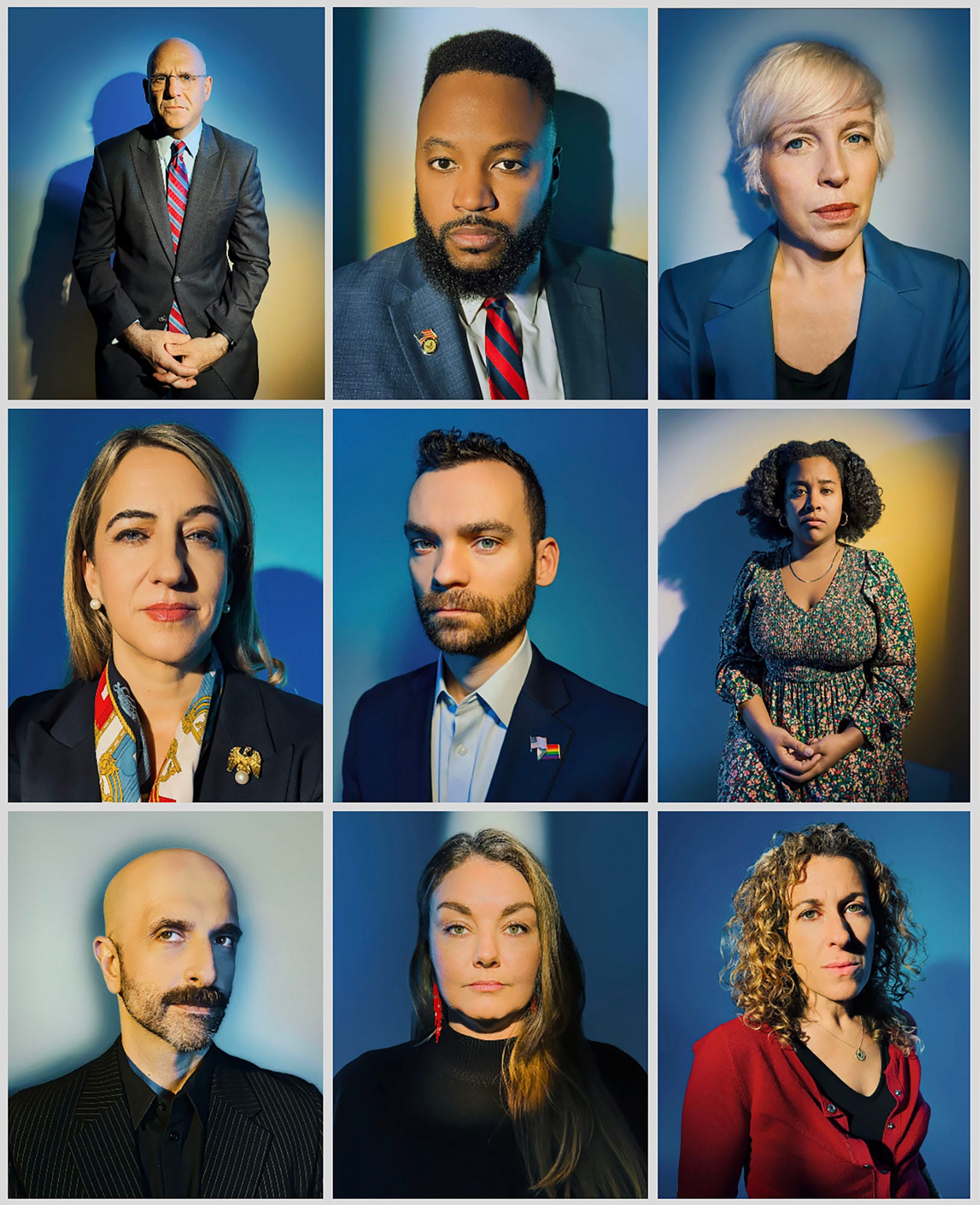
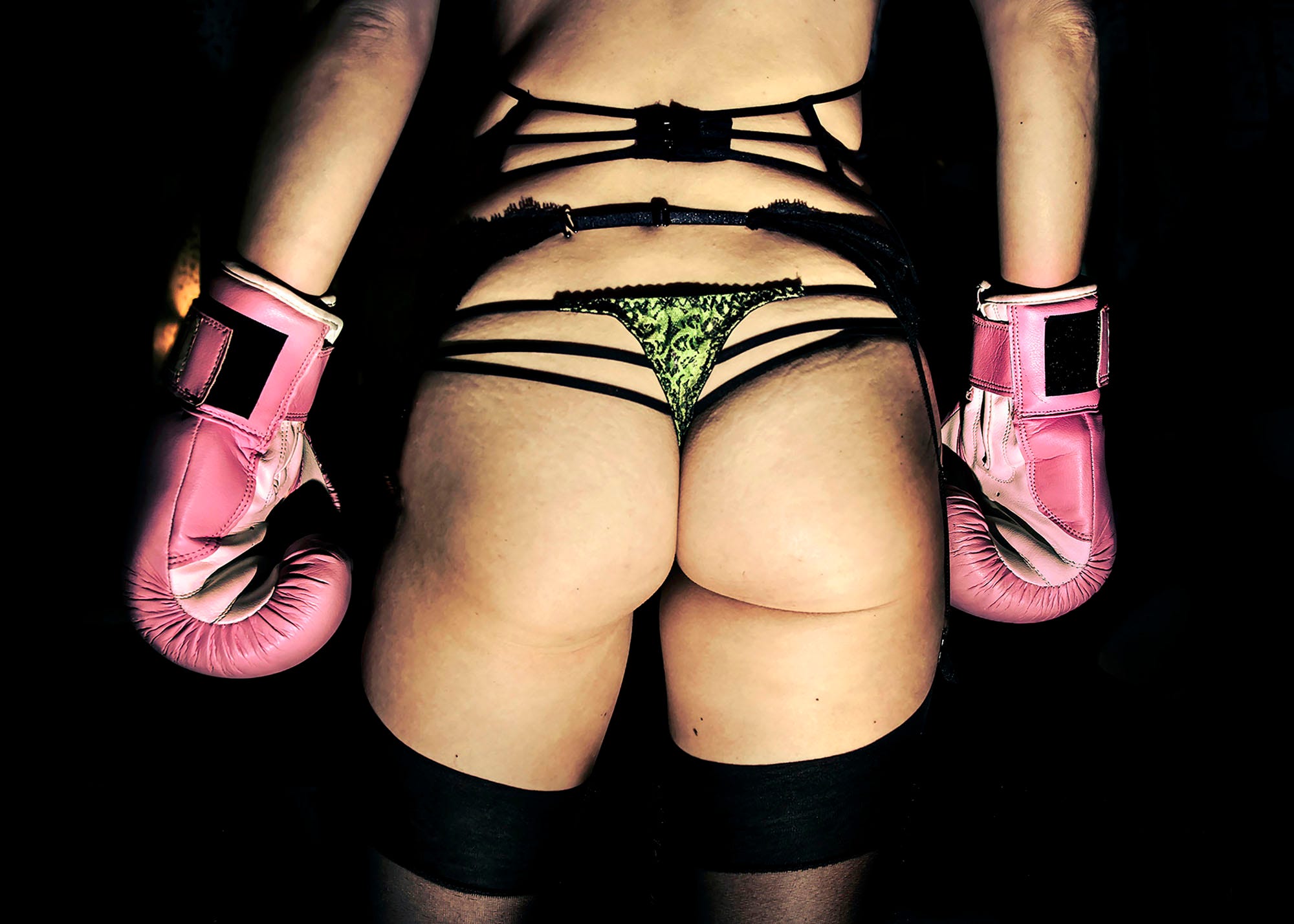
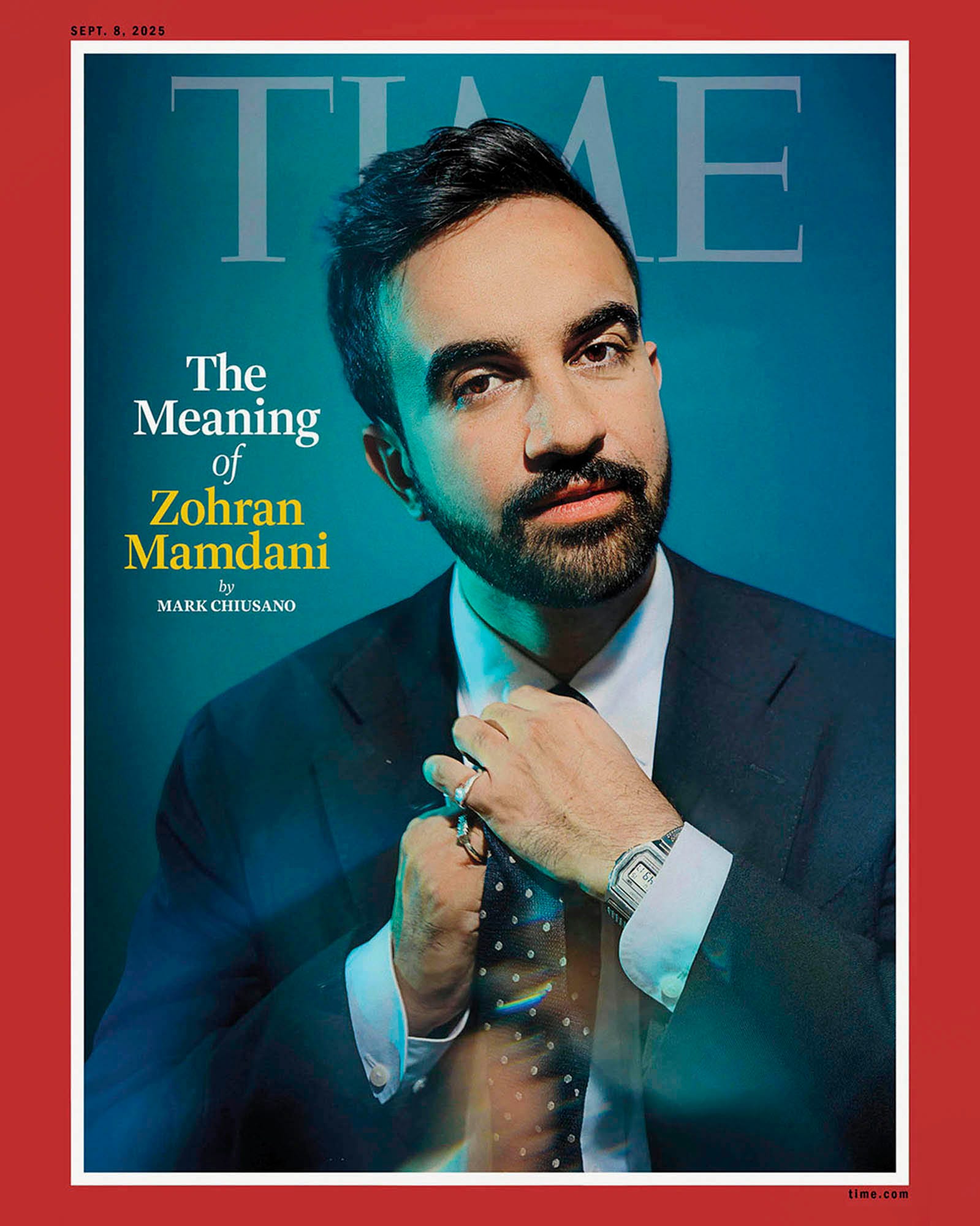
A lot of my recent editorial work revolves around portraiture, both remote and on location. You can read about some of these shoots in my newsletter: How I Photographed 50 Remote Portraits Of Workers Fired by the Trump Administration For The Atlantic and Favorite Portraits of Women I Took in 2025.
How do you stay inspired?
Music, film, art, and anything and everything that I am curious about at the moment. I like going down rabbit holes and getting good at new skills, which keeps me rigorous and inspired and translates to my work (right now, I am deep into a coffee obsession, learning various ways to brew it). My partner is a magician, so I have been incorporating magic techniques and theories into my portraiture. And just for fun, I have Brian Eno’s Oblique Strategies cards.
Tell us about an artist who intrigues you.
Denis Villeneuve’s eerie infra-red scene in Dune 2 hasn’t left my mind since I saw it and has been inspiring me to experiment with new aesthetics. I am also obsessed with The Avalanches, an Australian group of musicians who are masters of the musical genre Plunderphonics. Plunderphonics takes traditional sampling and elevates it to mind-blowing heights. The Avalanches sift through thousands of old records, gathering the tiniest of fragments and combining them into something entirely different and original, an electronic musical tapestry.
Show us a picture that moved you recently. Tell us about it.
Nadav Kander’s portrait of Rebecca Ferguson for New York Magazine stopped me in my tracks when I first saw it. The strange color palette, slight motion blur, and Rebecca’s chilling gaze all come together to achieve a stark emotional resonance.
Do you like music? What have you been listening to lately?
My love language is music and playlists. John Cusack in High Fidelity is my spirit animal. I have one mega-playlist that I’ve been building for years and that I put on whenever I am too lazy to look for new things, or when guests come over. It can work both as foreground and background, so the tracks have to be like Goldilocks, just right – neither too fast, too slow, nor too harsh. Some artists in it are Roxy Music, Bad Bunny, Broadcast, Cocteau Twins, Tyler, the Creator, The Avalanches, James Blake, and Nicolas Jaar. It’s called Pandora’s Box, and it’s on Spotify.
I collect photography books. Can you recommend a photobook that you love?
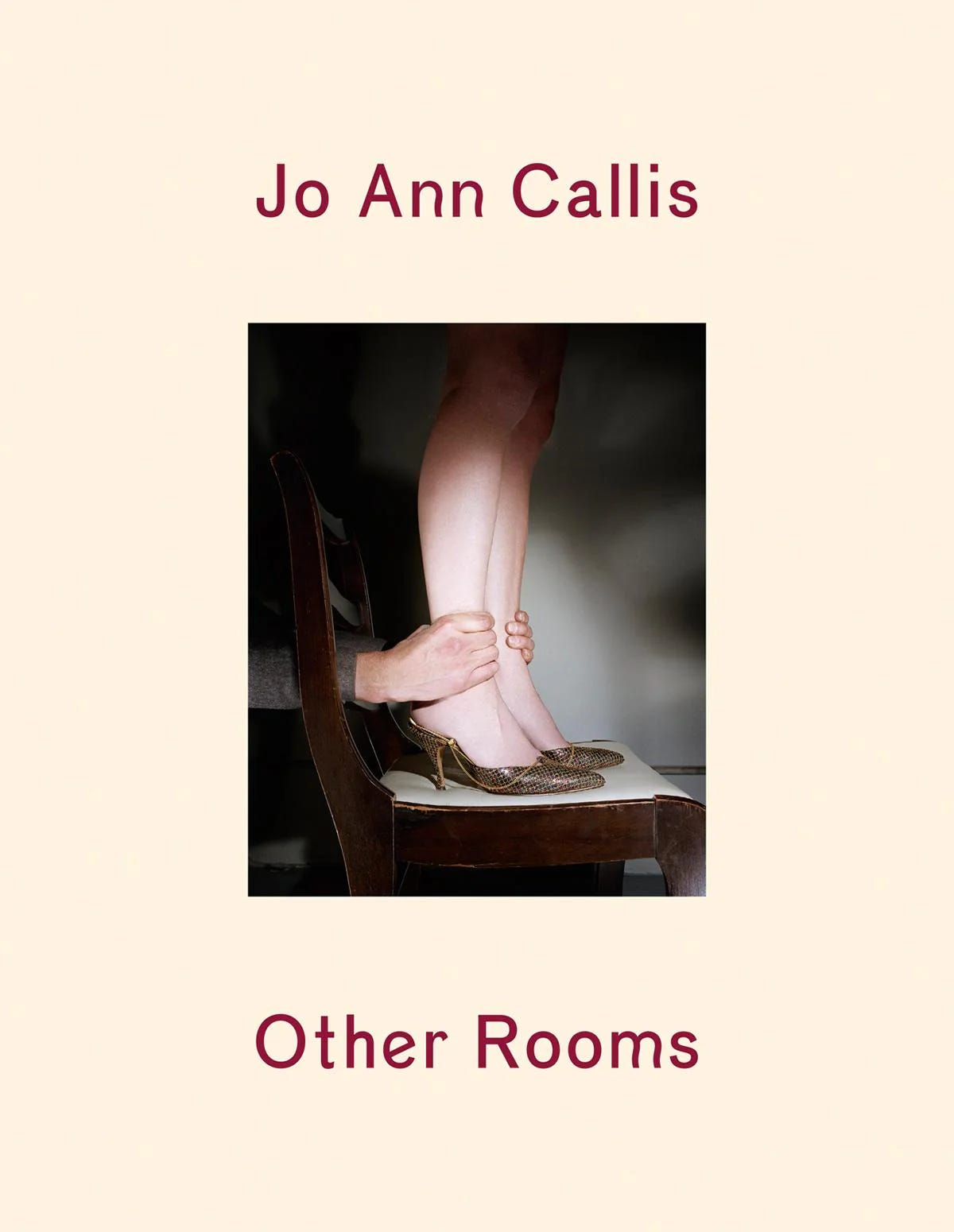
Jo Ann Callis, Other Rooms, is an obscure favorite.
This book uses traces and hints of playful debauchery to tease through an exploration of sex and the nude body. The flagrant sexuality present in some of the images is tempered by their meticulous construction, which does make them just a tiny bit artsy, but not contrived. I was surprised to find out that these images were photographed in the 1970s, because the work feels so fresh and modern.
Also, anything by fashion photographer Guy Bourdin.
Have you read any good books?
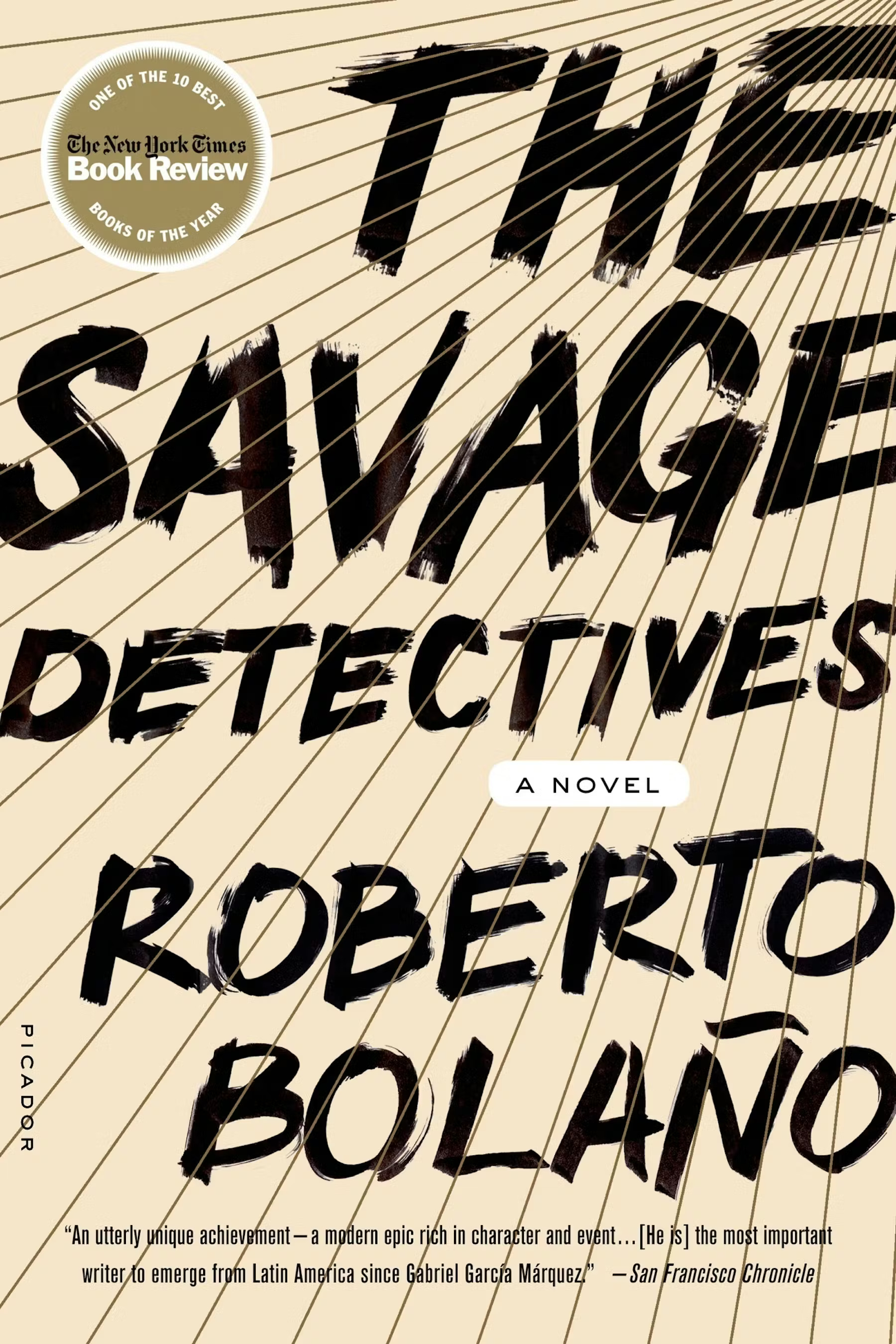
The Savage Detectives by Roberto Bolano has been my favorite read of the past few years. It is set in Mexico City and follows the lives of local poets in a complex and wildly inventive narrative. It is funny, emotional, raunchy, and brilliant.
About the photographer
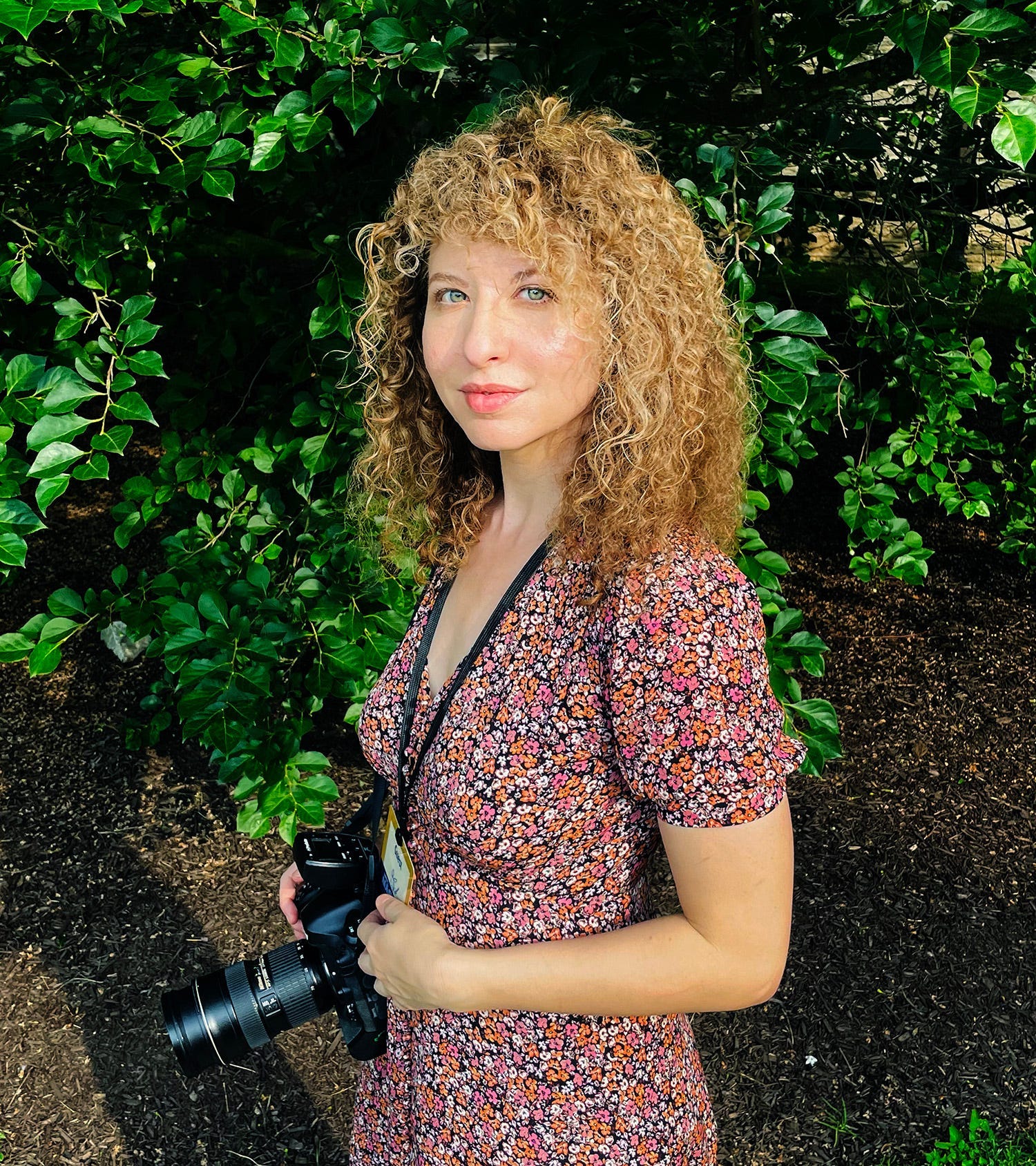
Dina Litovsky is a Ukrainian-born documentary and portrait photographer based in New York City since 1991. Her work draws on visual sociology to examine subcultures and leisure in contemporary culture, often focusing on power, spectacle, and the social choreography of public life.
Litovsky holds a bachelor’s degree in psychology from New York University and an MFA in Photography from the School of Visual Arts. Her images have appeared in publications such as National Geographic, TIME, The New Yorker, GQ, New York Magazine, and The New York Times Magazine.
Litovsky also writes a Substack newsletter, In the Flash, where she explores visual culture, editorial photography processes, and industry insights.
The immigrant story for artists, like Dina and myself, are quite universal. Our parents want the best for us but don't know quite how, so that becomes a pressurized zone we had to learn to live and breath in. I am glad we were both able to emerge from that. Such a wonderful interview and recap of Dina's work, both evocative and poignant.
Love Dina’s work and this interview, but also the avalanches??! Totally new to me and I am instantly obsessed.