

Not Sharp, But Good
One man’s journey to the snapshot aesthetic

This week, an opinion essay by Bill Sawalich on the evolving relationship between photography techniques and the aesthetics they produce. Since many of you are imagemakers with decades of technical experience, I expect you’ll have thoughts about the ideas he explores here. Tell us what you think in the comments. Enjoy! — AA
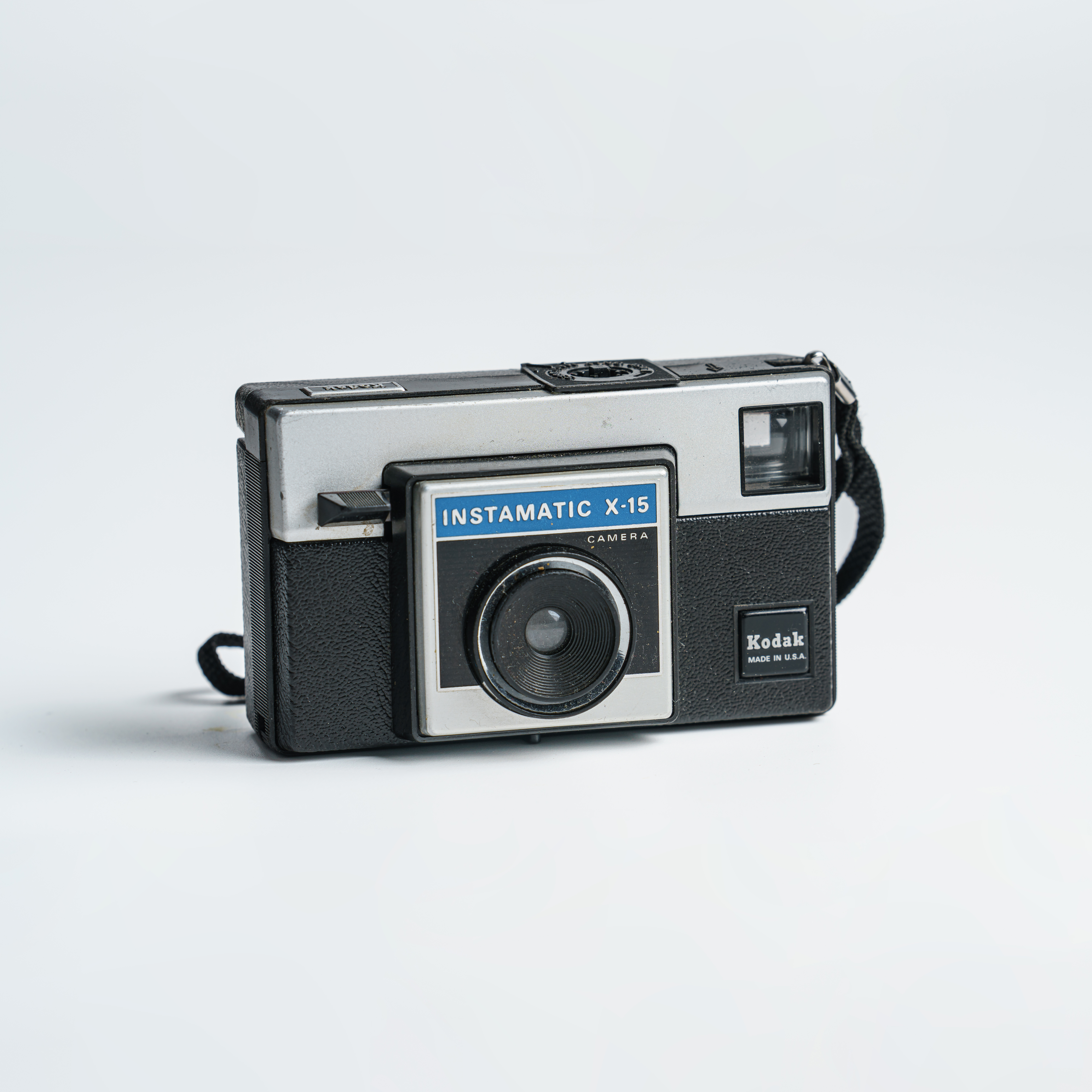
When I was nine years old, I broke my wrist and missed basketball camp, so I had to find a new summer activity. Photography class wasn’t the only option, but it was the one I chose. In that class, alongside big kids from junior high, I took pictures with my mom’s Instamatic and developed the 126 film in a real-life darkroom. Magic!
A year later, my dad let me commandeer his SLR, and my pictures improved. I was serious enough about this new hobby that Dad built a makeshift darkroom in our laundry closet. A plywood board across the washing machine held developing trays, and a shelf by the water heater held a little Bogen enlarger. I was 10, maybe 11.
Lest we get bogged down in the minutiae of my photographic journey, suffice it to say that photography has been central to my life for as long as I can remember. I’ve been a student of the medium — and a grad student, teacher, and working professional — forever. It’s all I’ve ever known. This peculiar medium is so intertwined with my identity that I genuinely don’t know who I’d be without it.
That long preamble was necessary so that when I tell you I’m tired of equipment and technique, you’ll know I’m not simply too lazy to learn. I’ve studied so much about photography that I find myself back where I started, when the most fun I could think of was pointing and shooting with mom’s Instamatic. After a lifetime studying equipment and technique, I would like to try a different approach to making good photographs. I think I’ve been going about it all wrong.
The photoblogosphere (like the world of print publishing it replaced) revolves around gear. YouTubers and bloggers and online publications — the places that garner the eyeballs advertisers love — talk about pixel pitch and bit depth and the shape of aperture blades. And sure, those things are important. But I think we may be collectively missing the forest for the trees; I am, at least. It’s easy to get so caught up in the tools that I forget about the work. If my goal is to make something interesting rather than something sharp, I don’t think I can keep focusing on tools and techniques.
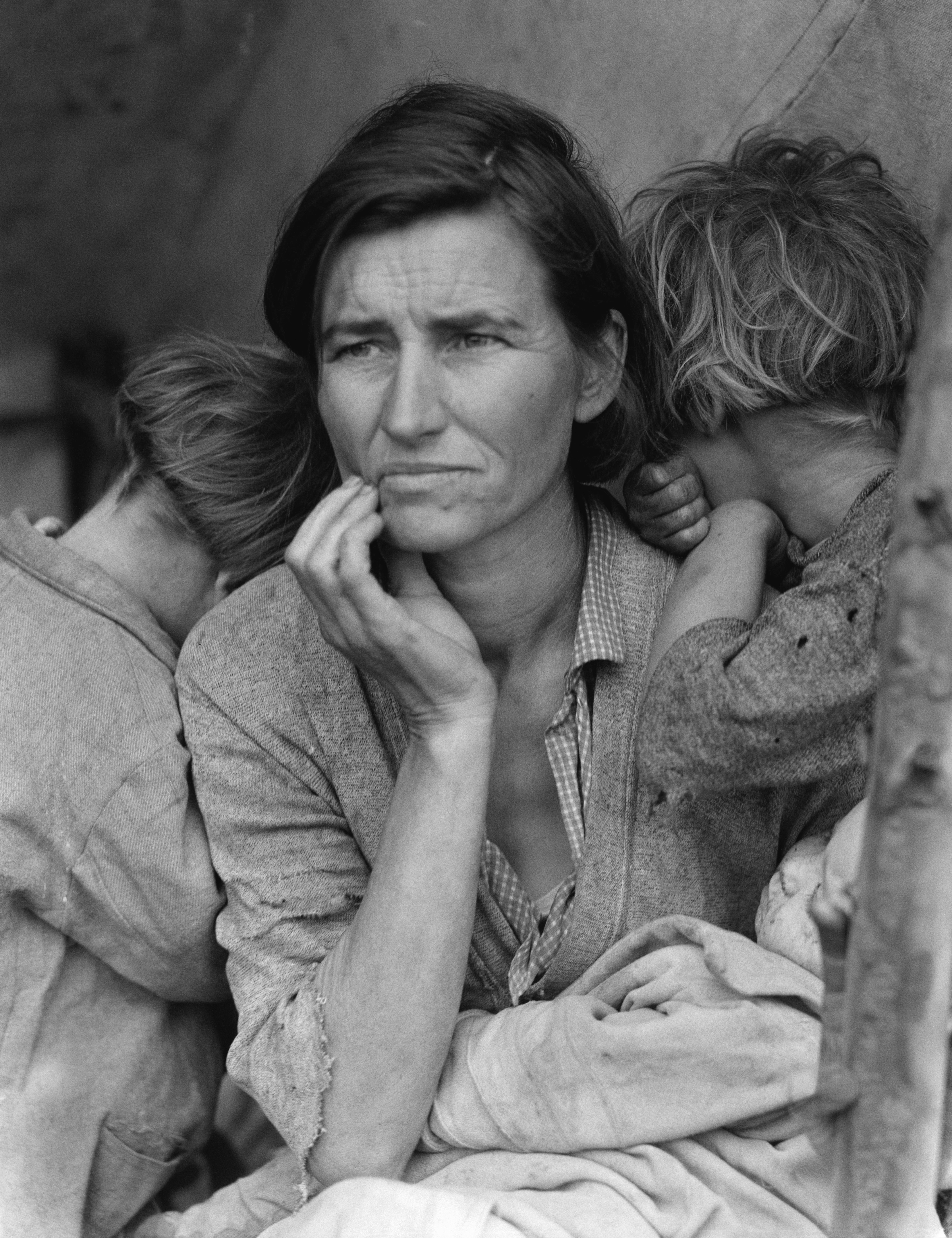
If image quality were the primary determinant for great photographs, the list of “greatest photographs ever” would be filled with pictures from this year. In fact, the most exceptional photographs in the history of photography were largely made with equipment and techniques considered rudimentary today. Steichen’s Flatiron building, Capa’s D-Day invasion, and, as I wrote recently on my own Substack, Dorothea Lange’s Migrant Mother. It’s surely in the discussion among the greatest photographs ever, and it’s out of focus.
So if image quality isn’t the decider, what is? Hell if I know. I’ve only been studying this stuff for four decades. I’m gonna need more time.
As Andy pointed out via Peter Hoffman, maybe it’s the punctum that matters most. This is as good an answer as I can come up with. What makes a picture great might be any number of things — sometimes it is about masterful technique — but the ones that move me most possess an ethereal combination of emotion and context. I like to think of it as a distinctly human magic that happens when special things come together, impossibly, at just the right moment, and you’re there, ready, with your finger on the button.
If I’ve learned anything from the many world-class photographers I’ve interviewed,1 it’s that they tend to tackle the technical challenges of photography and then move on, focusing their attention on more essential matters. They know equipment and technique are important, but don’t consider them the most important. These things are a means to an end, not an end in themselves.
I recognize that my job as a commercial photographer has also contributed to this technical fatigue. After 30-some years of retouching images in Photoshop, I’ve become desensitized to refinement. I refine my work daily, which may make me less interested in overly polished pictures. When the rough edges get sanded off, I begin to lose interest. It puts some distance between me and the thing that most interests me: a straight photograph.
25 years ago, my graduate thesis was a naive rejection of photography as a documentary medium. In an effort to find a Mondrianesque type of “pure creation,” I hoped to free the medium such that viewers no longer felt the need to see a photograph and ask, “What is it?” It’s a nice idea, and it can be done well (Laszlo Moholy-Nagy, Christian Schad, Adam Fuss, et al.). Still, in large part, photography’s most interesting power is found in its ability to record the physical world. People love to talk about how photographs lie all the time. But they also tell the truth in a way no other medium can. There’s a reason we hire wedding photographers rather than wedding sketch artists.
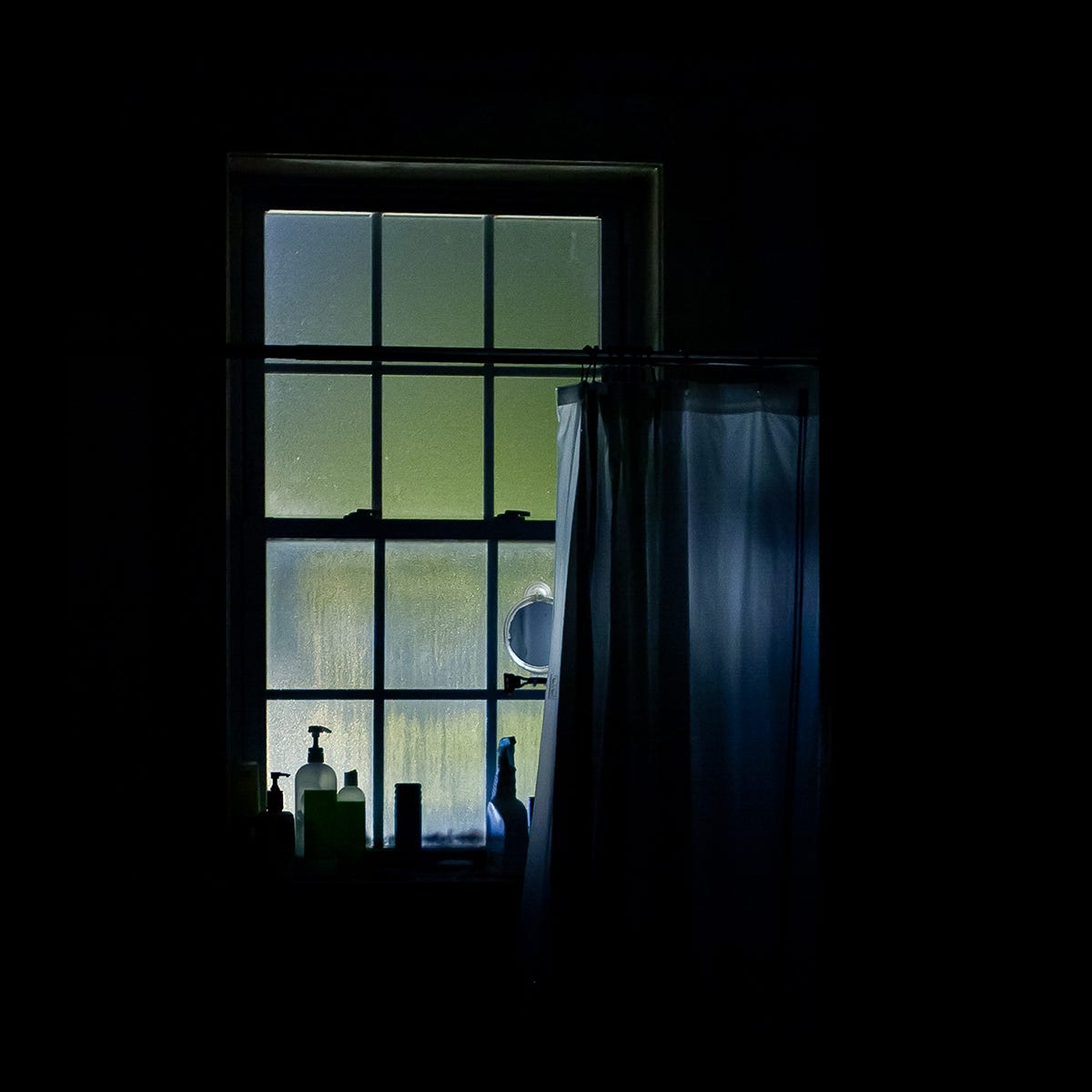
It used to be really difficult to make a technically excellent picture. With that mysterious black box, unforgiving film, the mathematics of bellows compensation, the chemistry of time, temperature, and agitation, making a sharp picture — much less a beautiful one — was a real achievement.
Now my phone makes beautiful, sharp pictures with very little input from me. So it’s harder for me to be impressed by a technique that no longer feels like an achievement. That’s not to say it isn’t beautiful; it just isn’t rare.
Everything’s beautiful, and I still don’t care. I gather I’d better look elsewhere if I’m going to find meaning in my photographs.
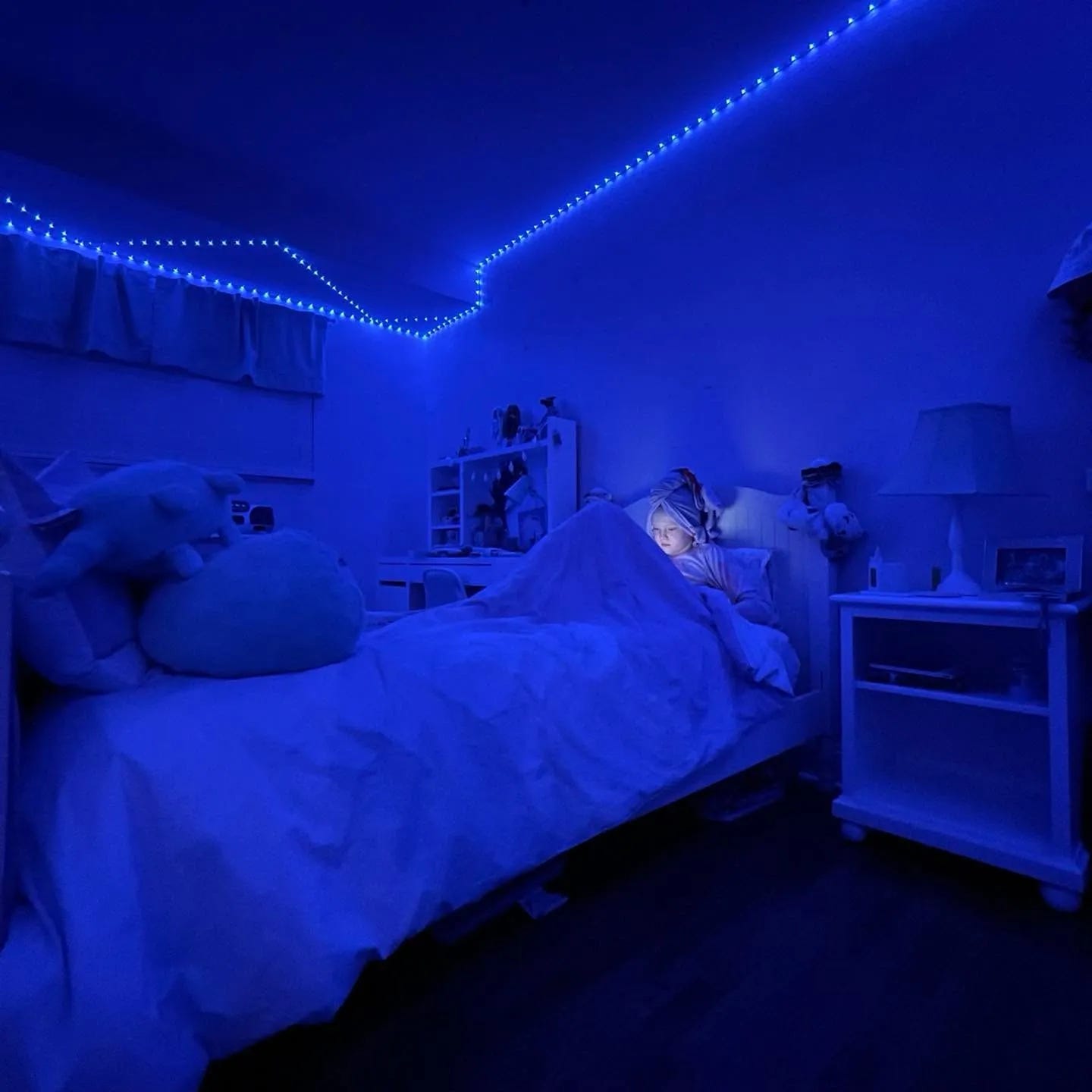
My approach to finding what matters, what moves me, is to try to eliminate all the things I’ve determined do not. I’m starting by stripping away refinement, removing even the implication of perfection, eliminating the fussiness of heavy processing and presets. Even meticulous composition can strike me as overly produced. Can’t we just raise the camera to our eye, press the button, and call it a day?
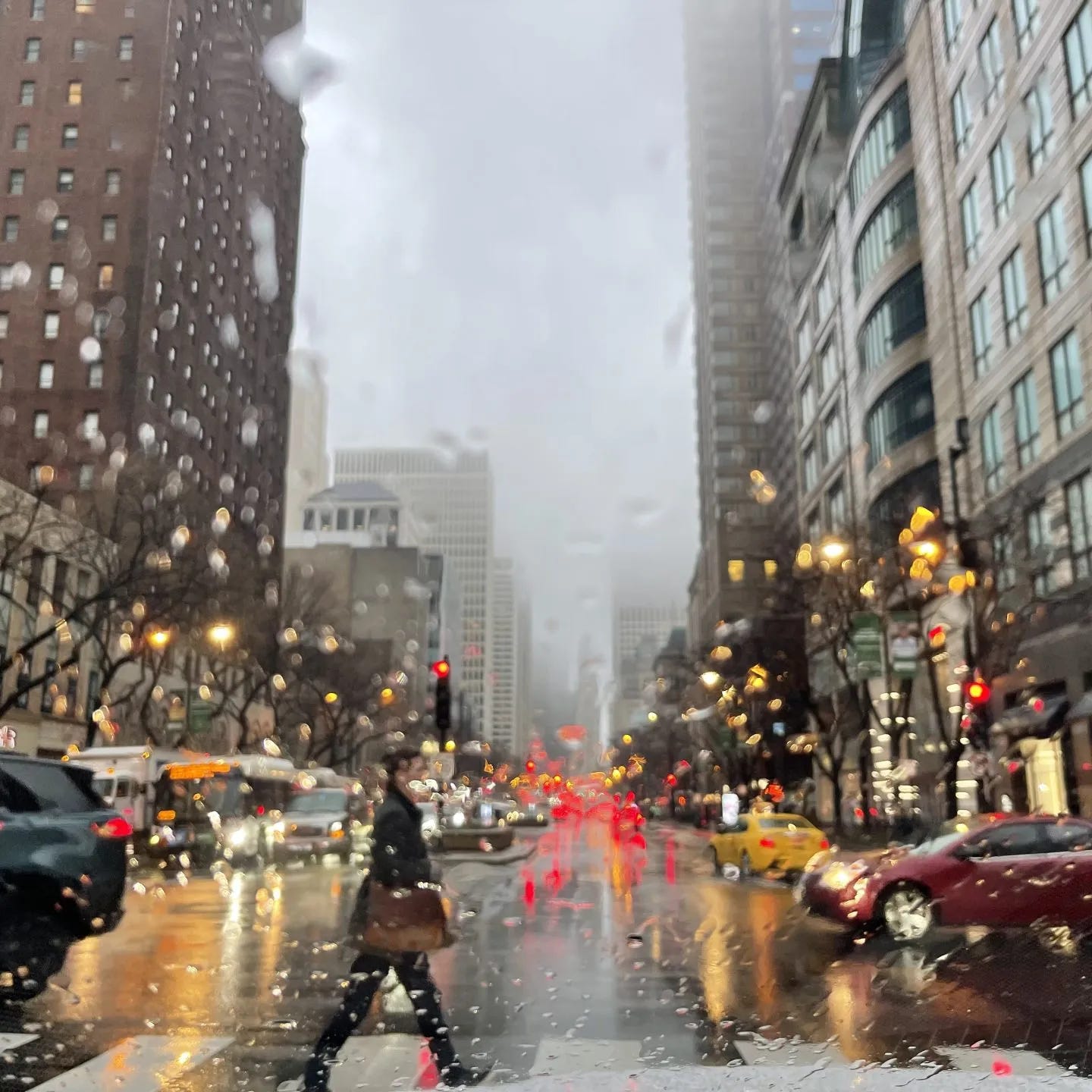
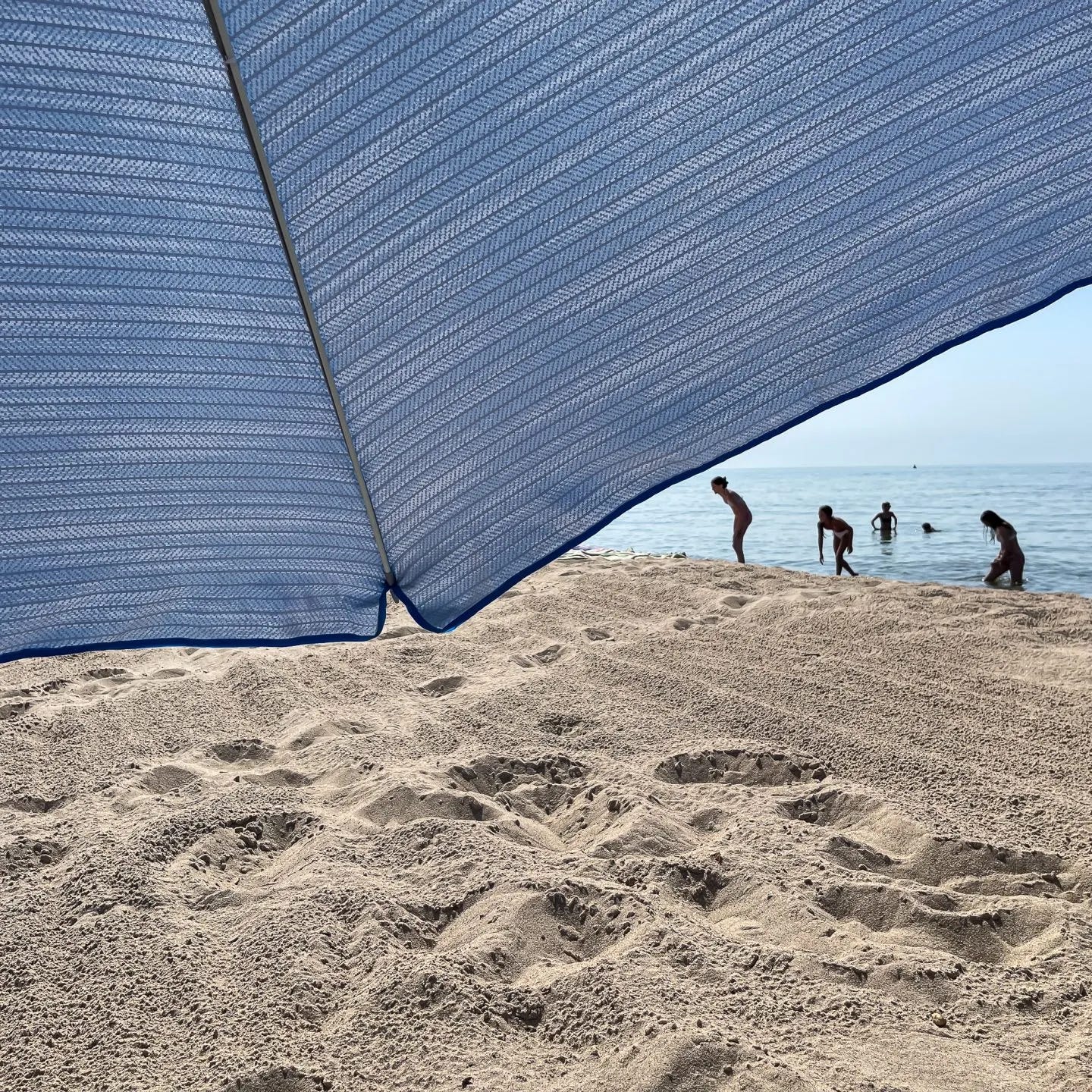
That’s what I’ve been doing on my Instagram for quite some time (inasmuch as I do anything there). The real place to see this work is on my Billstagram. It’s filled with phone photos, mostly straight off the sensor.2 It may be the kind of thing that those in search of perfection wouldn’t give a second thought. But for people like me — or is it just me? — this stuff hits the spot. It’s exactly what I’m looking for. The lightest touch. Permanent seeing.
I take my camera (er, phone) out into the world, look through it, press the button, and call it a day. Open the magic box, let the light in, keep it forever. I think I might be on to something.
There’s a kind of purity in pointing and shooting. Why mess with it? Why use Photoshop or AI or even presets to “improve” these images? Why spend rent money on a lens that will make my pictures sharper if Migrant Mother is out of focus?
Of course, sharpness and dynamic range have their place. The history of photography is filled with technical achievements that help explain why some photographs have staying power. But if it means I’m spending one minute focused on things that won’t make my work more meaningful, then I don’t want to think about these things at all. I guess that means I’m done with equipment and technique. I’m throwing the baby out with the bathwater, I know. But it might be necessary — not forever, just for now — until I finally learn to make pictures that are meaningfully, lastingly, good. Not sharp, but good.
About the author
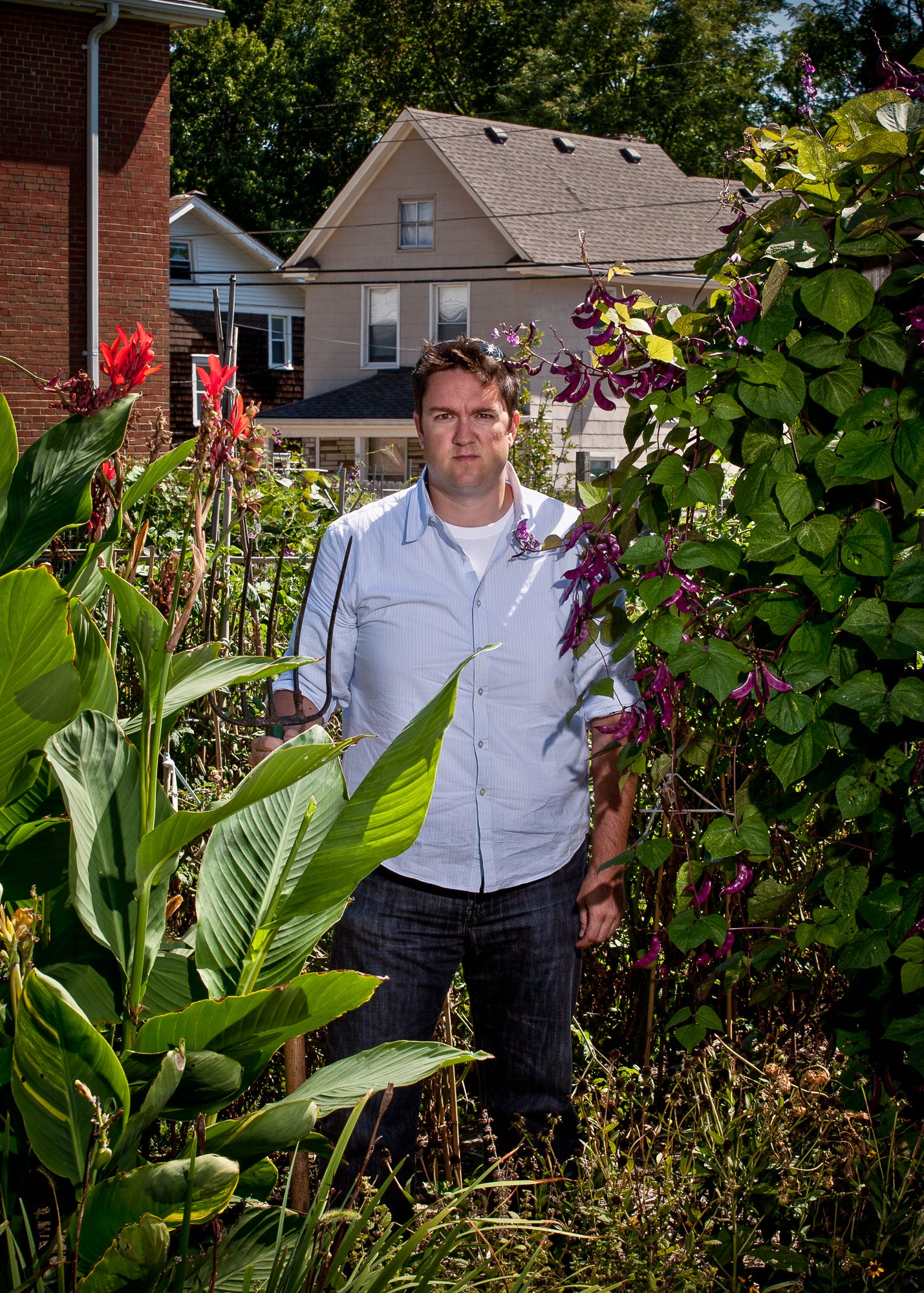
Bill Sawalich is a commercial and editorial portrait photographer in St. Louis. He publishes a newsletter called Art + Math, where he writes about photography and the business of being creative. His work has appeared in publications such as Outdoor Photographer, Digital Photo Pro, and McSweeney’s, and he taught studio photography at the University of Missouri - St. Louis for 11 years. Learn more at sawalich.com.
For 20+ years, I was a contributing editor to a few photography magazines back when magazines were a thing.
Well written piece that I greatly relate to and appreciate. I'd even suggest that the need to relinquish the technical aspects of photography to allow for creative renewal have always existed, pre and post digital. I could understand a case for it being greater today with the steady flow of new technical advancements in equipment and software. Irregardless, the message in your piece, I believe, is incredibly important for photographers and artists alike, that there is a need to free your creative process to ensure its ongoing existence. Thanks again.
Thank you, Bill. Yesterday I was scanning some black and white negatives from 40-plus years ago, trying my best to make them sharper, when in reality they were just fine as they were.