

Photography, AI, and the Punctum
What distinguishes photography from AI-generated imagery?

AI imagemaking is a controversial topic in the photo community. As a lifelong student of media, I remain fascinated by its evolving role in visual culture. I have published various pieces about AI and photography and will continue to do so in the hopes of making sense of this new form. Like it or not, it appears to be here to stay.
In March, I published an essay by Peter Hoffman on photography and punctum. Afterward, Alys Thomas, a photographer and artist, messaged me with an essay she had written in reply to Peter’s piece. Naturally, I was delighted to see a conversation emerging, and I suggested we publish her thoughts on FlakPhoto along with a selection of her AI-generated images.
Alys is moving forward in the brave new world of AI imagemaking, exploring its creative possibilities, and I appreciate her open-minded point of view. I look forward to hearing your thoughts on her essay. Please tell us what you think in the comments.
I’ll let Alys take it from here. Enjoy! — AA
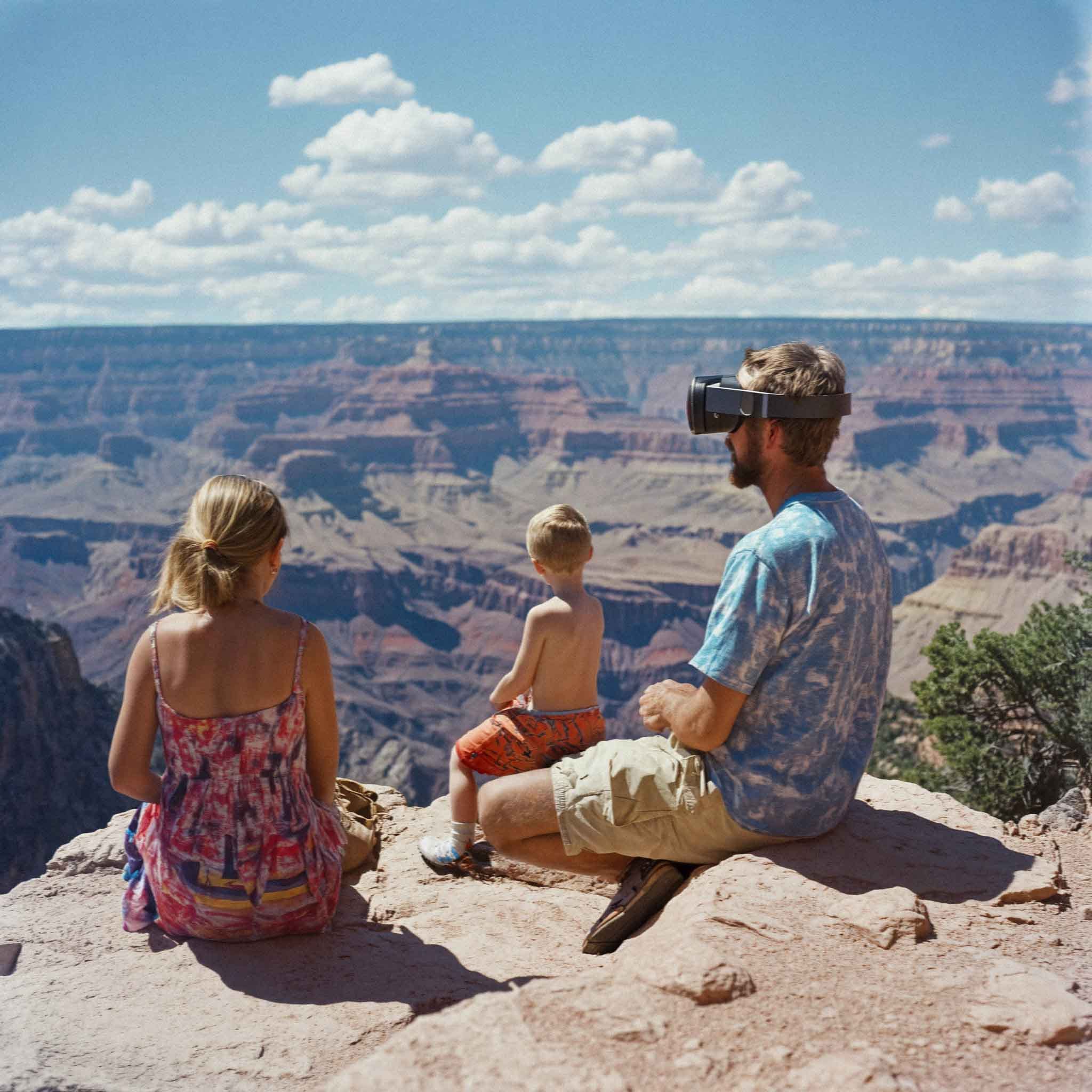
Debates about AI-generated imagery encompass several distinct questions—legal, ethical, economic, and philosophical. One of the most pressing concerns today is the use of copyrighted images to train AI models, which raises difficult questions about consent, authorship, and compensation. At the same time, these legal debates should not overshadow another equally fascinating question: what, philosophically, distinguishes photography from AI-generated imagery?
In a recent essay, photographer Peter Hoffman invokes the concept of the punctum, developed by Roland Barthes in Camera Lucida, to defend the specificity of photography against AI-generated imagery. According to this argument, a synthetic image cannot convey the intimate emotional impact described by Barthes because it is not connected to a real event.
This argument deserves careful consideration because it touches on one of the fundamental questions in the history of images.
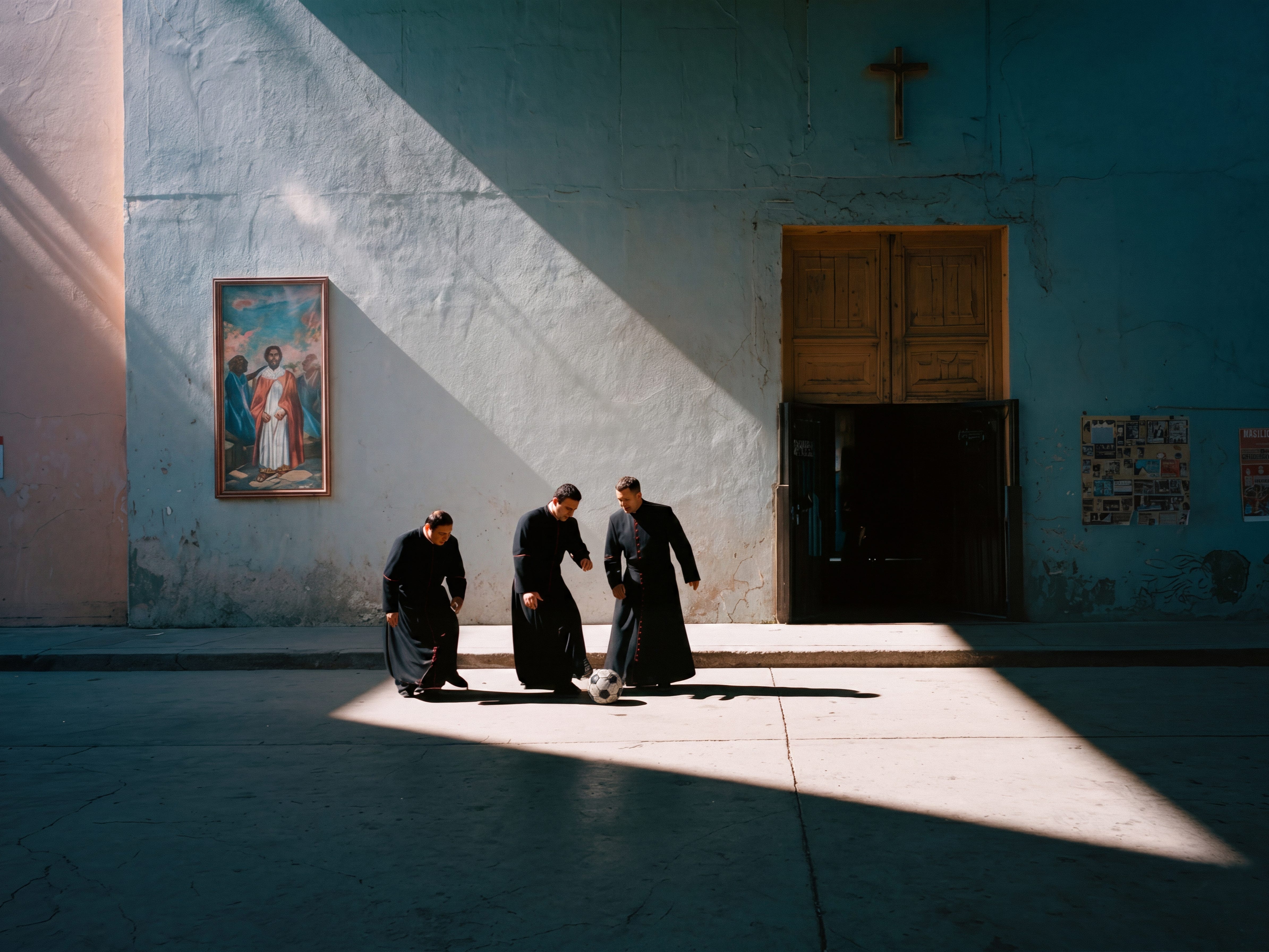
The punctum does not reside in the image, but in the viewer
For Barthes, the punctum refers to a detail within an image that unexpectedly and personally “pierces” the viewer. It is not an objectively identifiable element within the image itself, but rather a subjective experience for the viewer.
In other words, the punctum comes from the meeting between an image and the viewer’s own memories, feelings, or personal history, not from the image alone.
From this perspective, nothing suggests that this experience is limited exclusively to photographic images. Paintings, cinematic scenes, or animated images can just as easily produce this moment of emotional disruption. The history of art is full of examples in which a seemingly secondary detail becomes the focal point of a deeply personal aesthetic experience.
If an AI-generated image evokes emotion, memory, or a shift in perception for a viewer, then something akin to a punctum may already be at work. This phenomenon depends less on the image’s technical origin than on the sensitive relationship we develop with it.
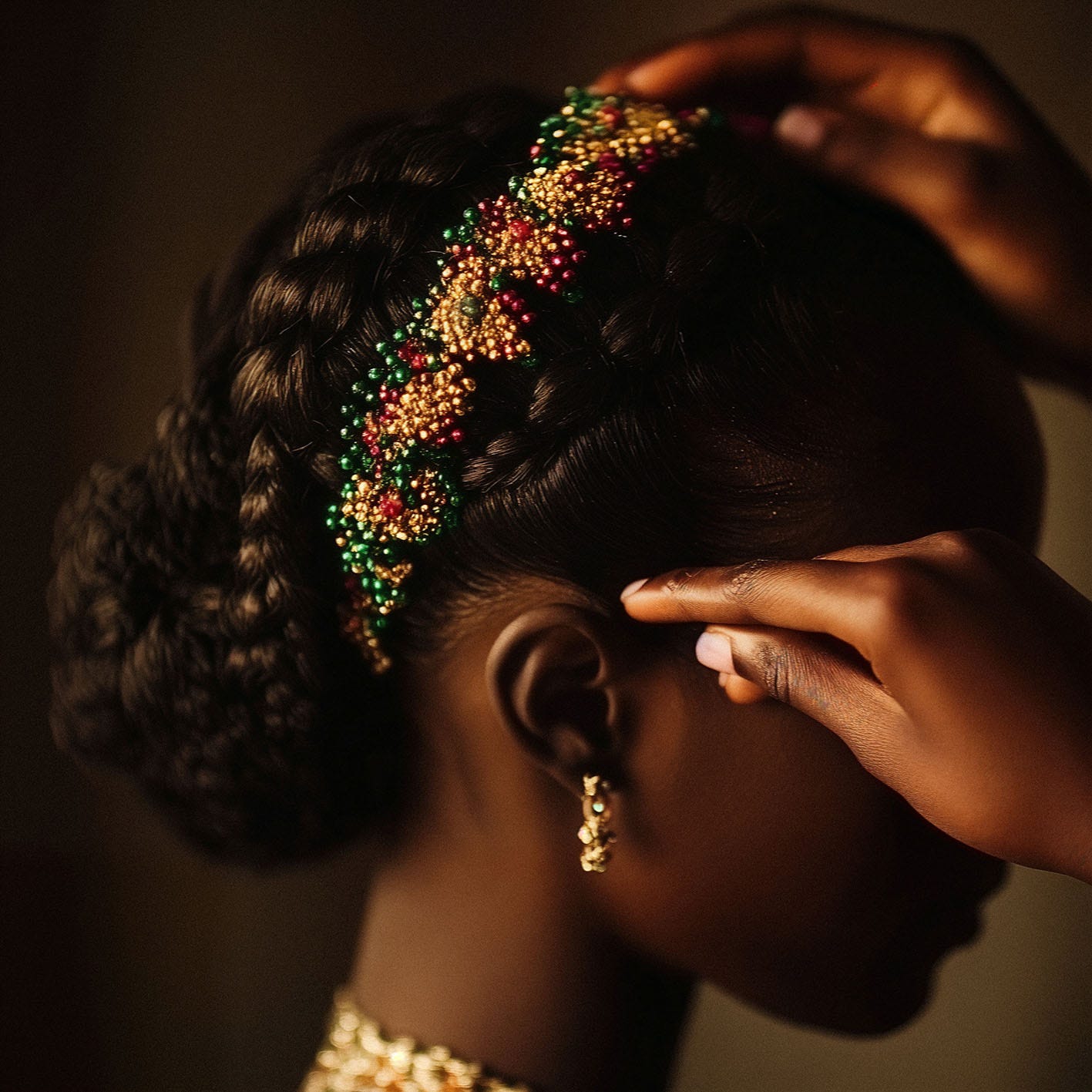
The strongest critique: the question of the index
There is, however, a deeper and more substantial critique of generated images—one that concerns not emotion, but the very nature of photography itself.
This critique draws on the semiotic theory of the philosopher Charles Sanders Peirce, who distinguished between three types of signs: the icon, the symbol, and the index.
Photography has long been understood as an index — a physical trace of reality. Light reflected from an object strikes the film or sensor, leaving a material imprint. In this sense, the photographic image maintains a direct physical relationship with what once stood before the camera.
This relationship inspired Barthes’ famous formulation: photography always says
“that-has-been.”
AI-generated images, by contrast, do not rely on such a physical link. They are produced by statistical models trained on vast datasets of images. They may resemble reality, but they do not testify to a specific moment or event that occurred in the world.
This difference is crucial. It explains why photography continues to hold a unique value in fields such as reportage, archival documentation, and historical testimony.

Toward two complementary regimes of images
Recognizing this distinction does not mean that generated images are devoid of meaning or artistic value.
Rather, it suggests that they belong to a different regime of images.
Photography is still closely tied to the real world. It records people, places, and moments, and acts as a way to archive reality.
Generated images, on the other hand, seem to show something else: the visual ideas and themes that move through our cultures. They are made from large collections of human images and combine different styles, patterns, and cultural symbols.
One might say that where photography testifies to what has existed, generated images explore what could exist.
From this perspective, the two practices do not cancel each other out. They correspond to different functions of images.
Photography remains one of the most powerful tools for recording the world. Generated imagery opens a new space — not very far from illustration — in which collective imagination, visual narratives, and cultural forms can be explored in different ways.
However, in real life, people do not always see this difference so clearly.
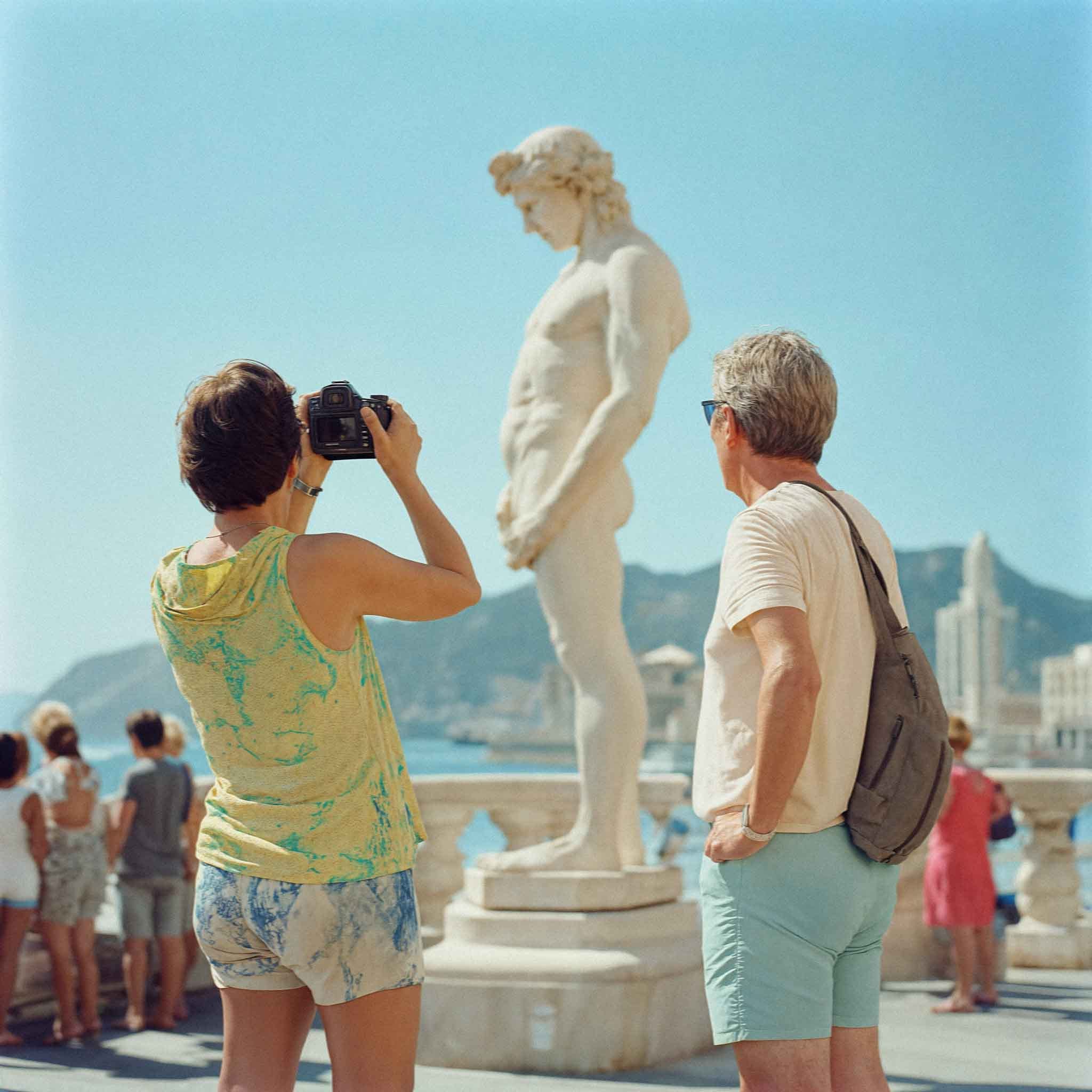
A discomfort rooted in resemblance
Part of the unease surrounding AI-generated imagery may not come from the images themselves, but from the fact that they so closely resemble photography.
AI images often adopt the visual language of photography — its lighting, framing, and textures — to the point where the distinction between the two can be difficult to perceive. This ambiguity can feel troubling, not only for photographers but for viewers more broadly, as it blurs the line between representation and construction.
In that sense, the issue is not simply whether AI images are meaningful, but how they are presented and understood.
As with many practitioners working with these tools, I believe it is important that AI-generated images are clearly identified as such, not as a limitation, but as a way of preserving clarity in our visual culture. Distinguishing between photographic and generated images allows each medium to exist on its own terms, with its own strengths, intentions, and forms of truth.
Rather than weakening images, this distinction may ultimately strengthen our relationship to them — by making visible the different ways in which images can relate to the world and to our imagination.
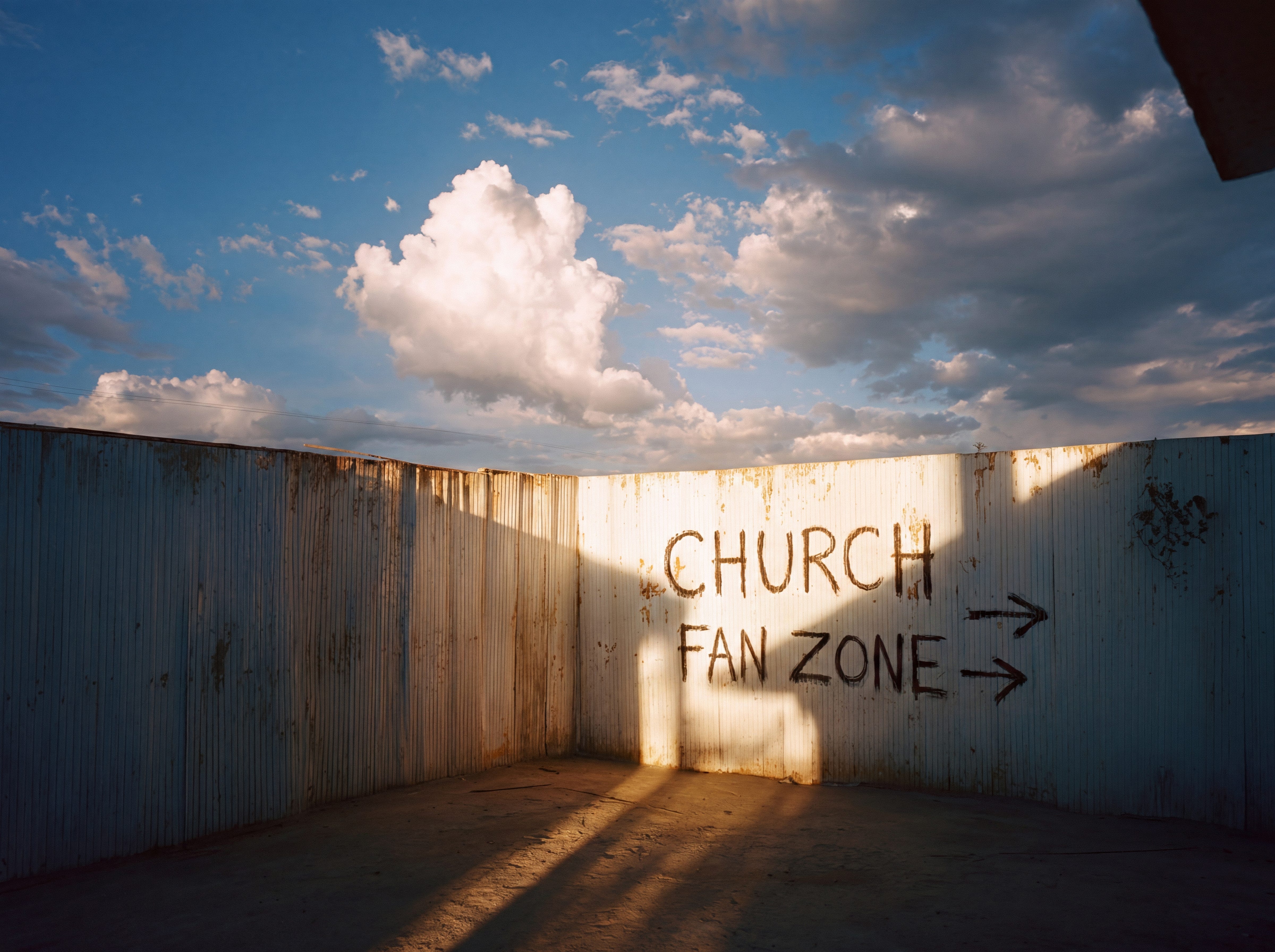
A reaction that goes beyond aesthetics: a sociological question
The intensity of the reactions provoked by AI-generated imagery among many photographers cannot be explained solely by aesthetic or philosophical arguments. While theoretical concepts such as the punctum, indexicality, or photographic truth often appear in these debates, they also reflect deeper transformations.
What is at stake is also sociological.
For nearly two centuries, photography occupied a particular position in visual culture. It was simultaneously an artistic medium, a documentary tool, and a technology that required a certain level of expertise and access. Producing credible images of the world demanded skills, equipment, training, and often privileged access to certain situations.
This gave photographers a specific role: that of intermediaries between the world and the images that represent it.
Digital technologies have gradually transformed this position. Smartphones already democratized image production on an unprecedented scale. Artificial intelligence represents another step: it enables the creation of complex images without the physical act of photography.
In other words, the image becomes detached from the photographic gesture.
This shift directly affects the professional and symbolic identity of photographers. In fields such as advertising, illustration, and visual communication, images can now be created without cameras, lighting, or physical scenes. It is therefore understandable that some practitioners experience this development as a challenge to their expertise.
Yet such reactions are not new in the history of images. Several technological transformations have produced similar anxieties: photography in relation to painting, cinema in relation to theater, or digital technologies in relation to analog techniques.
With time, these transformations have rarely destroyed existing media. Instead, they have redefined their roles and expanded their territories.
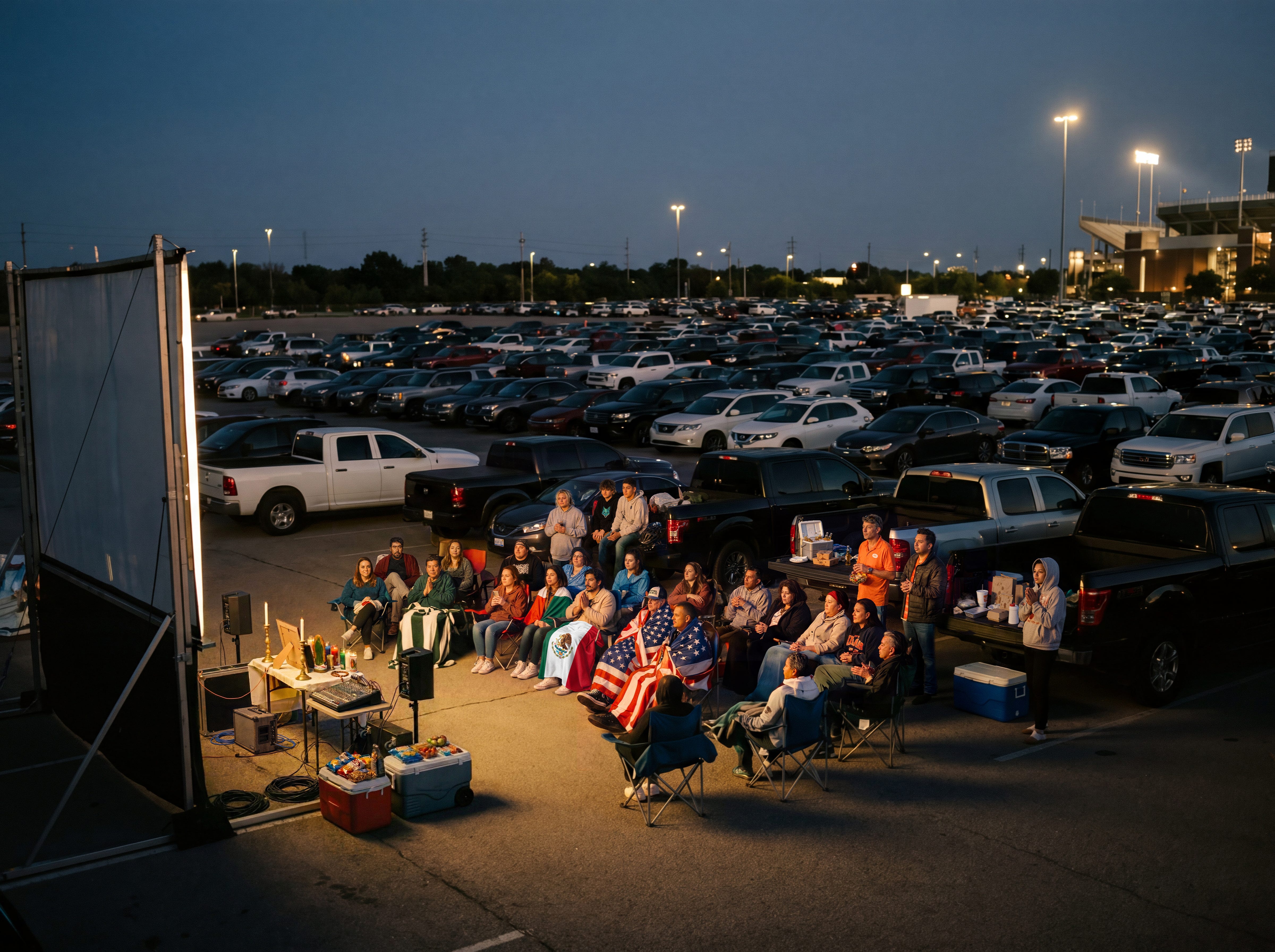
Conclusion, a paradox: a demanding medium still waiting for its authors
There is, in fact, an interesting paradox in the current situation.
Contrary to popular belief, producing AI-generated images at a truly professional level is often complex and time-consuming. Building a coherent image, controlling its aesthetics, shaping its light, composition, and visual narrative requires extensive experimentation and a genuine understanding of visual language.
This may be why the general level of AI imagery circulating today often appears relatively weak. Many images feel repetitive, stylistically shallow, or visually incoherent.
And this is largely because very few photographers have seriously embraced these tools so far.
Accustomed to analyzing and producing images in professional contexts, photographers have a deep understanding of contemporary visual culture — its aesthetics, its trends, and its evolving iconographic codes.
If photographers begin to engage seriously with these tools, they may well be among those best positioned to reveal their artistic potential.
In that case, artificial intelligence would not mark the disappearance of photography, but perhaps an extension of its creative territory.
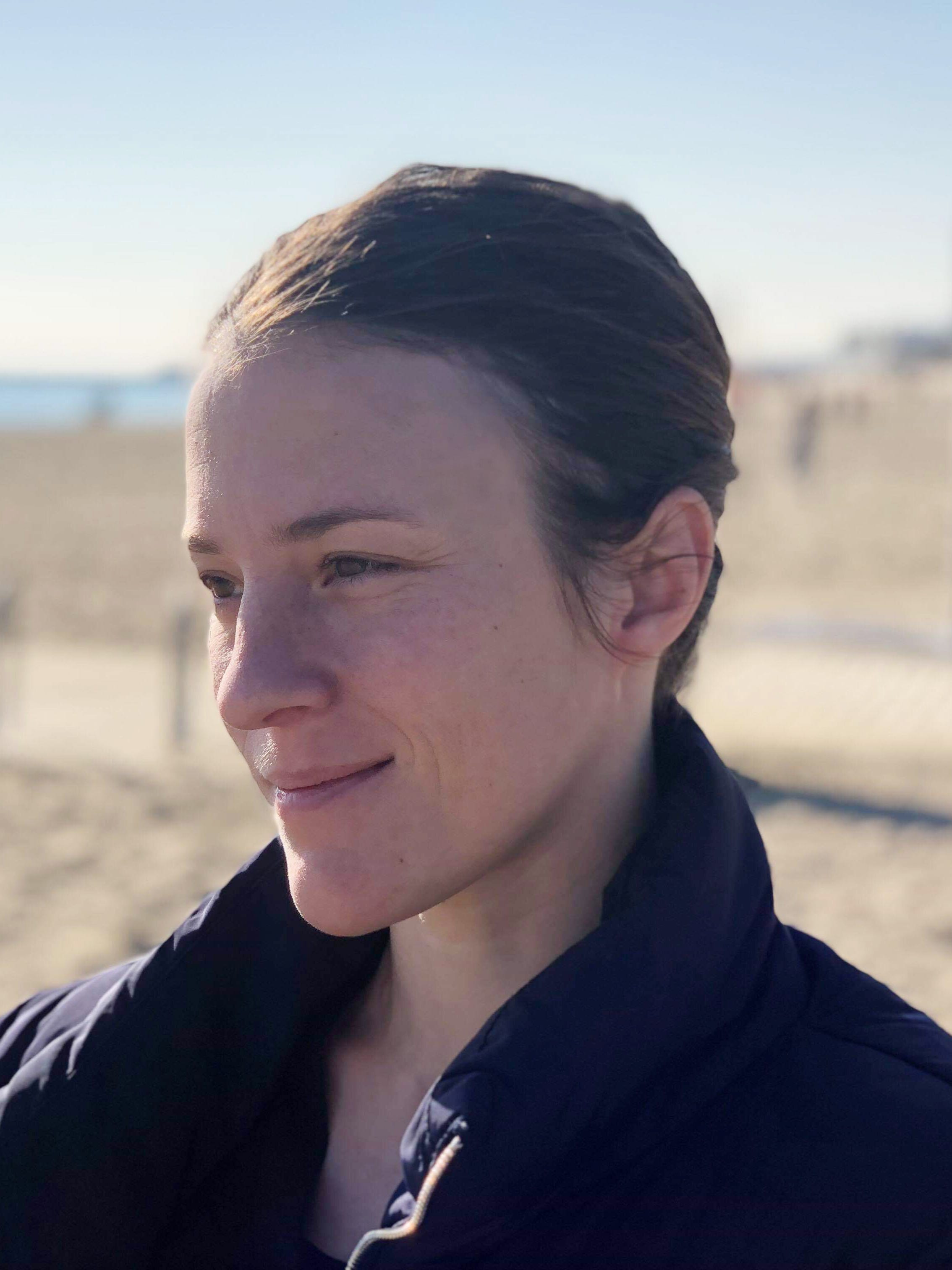
About the author
Alys Thomas is a Franco-British photographer and director whose work contains the poetry of Paris and the humor of the UK. She has long worked with analog photography, but more recently she has been creating with AI. Across each, there’s a remarkable synergy of style, color and light. In both, she brings her wry observation, with the idiosyncrasies of life a recurrent theme.
She meticulously crafts her AI-generated images, inputting her own photography into the process. She layers her own color grading and retouching to create images that convey a distinctive human touch, making her creations uniquely her own.
An interesting read Andy & Alys. Thank you. It hadn't occurred to me in great detail, until this essay, how different AI generated imagery and the possibilities of it may be if regularly in the hands of photographers and those working in photography, rather than those who are just 'playing around'.
I am also left to wonder about the language around it all. I feel there's a distinction between the(a) 'photograph' and 'imagery' and perhaps is a distinction that needs to be made more often?
I disagree slightly with the idea that a photograph equals a reflection of reality. I often use extensive post-processing, which transforms the original photo into something that’s very far from reality. Yes, it was a record of reality at the moment the shutter was released, but the final result can be completely detached from reality.