

How does a photograph differ from reality?
Photo contests reveal cracks in the medium

I’ve never entered a photo competition, but I have juried several over the years. Of course, the camera lies, but I’ve never once questioned whether the images I reviewed were real. Clearly, times have changed.
In April 2023, I published a piece about Boris Eldagsen’s controversial AI image stunt in the Sony World Photography Awards. What intrigued me about that provocation was how AI seemed to be redefining photography, or at least how we describe images that “look” like photographs. Today’s post takes that concept a step further: Zied Mnif examines current descriptions of “photography” and how various competitions define the term.
He should know. Zied runs WinPhoto, an “honest AI critic for photo contests.” When he pitched this story, I was delighted because I have long been fascinated by photography as an evolving cultural object. I’ll be curious to hear your thoughts on this essay. Let us know in the comments. Take it away, Zied! —AA
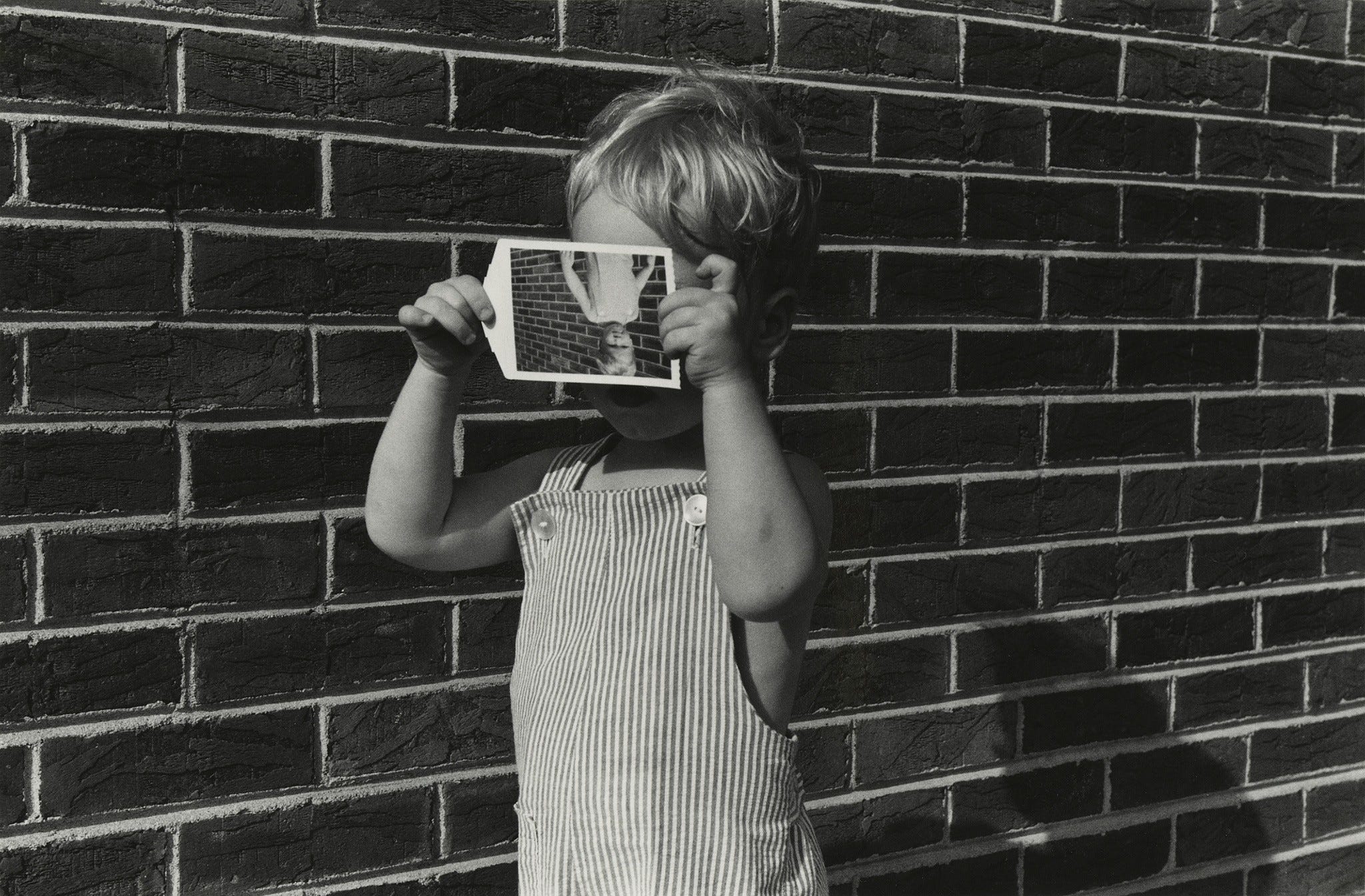
The strangest photography story of 2026 isn’t a fake. It’s the speed of the verdicts.
In May, an entry in the Street category of the Hasselblad Masters was pulled after an online crowd decided it looked generated and said so loudly until the organizers acted. Weeks earlier, a dramatic owl had been named the grand-prize winner of the National Wildlife Federation’s photo contest and then quietly stripped of the title — not by a forensic lab, but by photographers on social media who suspected a composite and wouldn’t let it go. Neither image was adjudicated the old way, in a room, by a jury with time. Both were tried in public, at the speed of a quote-post, on the charge of not being real.
It is tempting to file this under “AI panic,” and some of it is. But the panic is sitting atop a much older, much quieter problem, and 2026 is the year it broke the surface. Here is the issue, stated plainly: the same photograph can be testimony at one contest and a lie at the next — and not because one jury is stricter than another. Because they are not judging the same thing.
Ask four major competitions what a photograph is, and you will get four different answers. They contradict each other. And the rulebook is where the contradiction is being fought out, one clause at a time, with the photographer’s entry fee on the table.
Four answers to one question
I read the rules of twenty-four competitions for a living — it is the unglamorous, load-bearing work behind everything WinPhoto does. Strip away the legalese, and the editing line doesn’t sit on a spectrum from lenient to strict. It collapses into four positions1, and each one is a different philosophy of what you are even holding when you hold a photograph.
The photograph is a record.
World Press Photo. Wildlife Photographer of the Year. National Geographic. Ocean Photographer of the Year. Nine of the twenty-four. Here, a photograph is evidence — a sworn statement about a moment that occurred. You may develop it the way you’d develop a negative: crop, tone, convert to black and white, and clear sensor dust. You may not add, remove, move, or duplicate a single thing in the frame, because to do so is to alter testimony.
The strictness is total and patrolled: World Press Photo requires finalists to surrender the original RAW file and a sequence of frames shot before and after the entry to prove the moment was continuous and that nothing was inserted later. It bans common AI upscalers by name while permitting denoise, a border fine enough to cut yourself on. It will even refuse a smartphone frame captured in HDR or panorama mode, because the phone’s own quiet computation has already touched the record. In this church, the camera is a witness under oath, and editing is the temptation to improve the truth.
The photograph is a witness.
Nature Photographer of the Year. HIPA. Comedy Wildlife. World Nature. Seven of them. A gentler creed, and an older one. Process the light however you like — but the content must be true. The animal must have been there; the moment must have happened; nothing staged, baited, added, or removed.
This is the position that retired Marcio Cabral’s “Night Raider” in 2017: An anteater approaching a glowing termite mound, beautiful, and — five biologists on the jury concluded — the same taxidermy anteater displayed at the entrance of the park where he shot. No one needed to inspect a pixel. The posture gave it away. The witness creed doesn’t ask whether you edited the file. It asks whether the world in the file was real, and it staffs its juries with people who can tell.
The photograph is an authored image.
Sony World Photography Awards. IPA. LensCulture. Four of them. Here, the picture is openly a made thing, and the only unforgivable sin is dishonesty about your hand. Manipulate heavily if it serves the work — but the origin must be a real photograph (”computer-generated content cannot be the origin,” as Sony’s open rule puts it), and you must declare what you did. The enforcement isn’t a RAW lab; it’s the disclosure box. Overstate or understate your edits, and a strong image is recast as fraud. In this tradition, the photographer is an artist, the camera a starting point, and confession the price of freedom.
The photograph is a prompt.
PX3 Paris. Tokyo Foto Awards. Aperture. Three of them. The youngest answer, and the most radical: the image is the achievement, and the camera is optional. Generative work is welcome here — but quarantined. It competes in a dedicated AI category, against its own kind, behind a velvet rope that bars it from Photographer of the Year. Enter a generated image into the photographic categories, and it isn’t a scandal; it’s a filing error. They move it. The camera has been demoted from author to one tool among several, and the contest has built a separate room so the two definitions never have to meet.
The collision
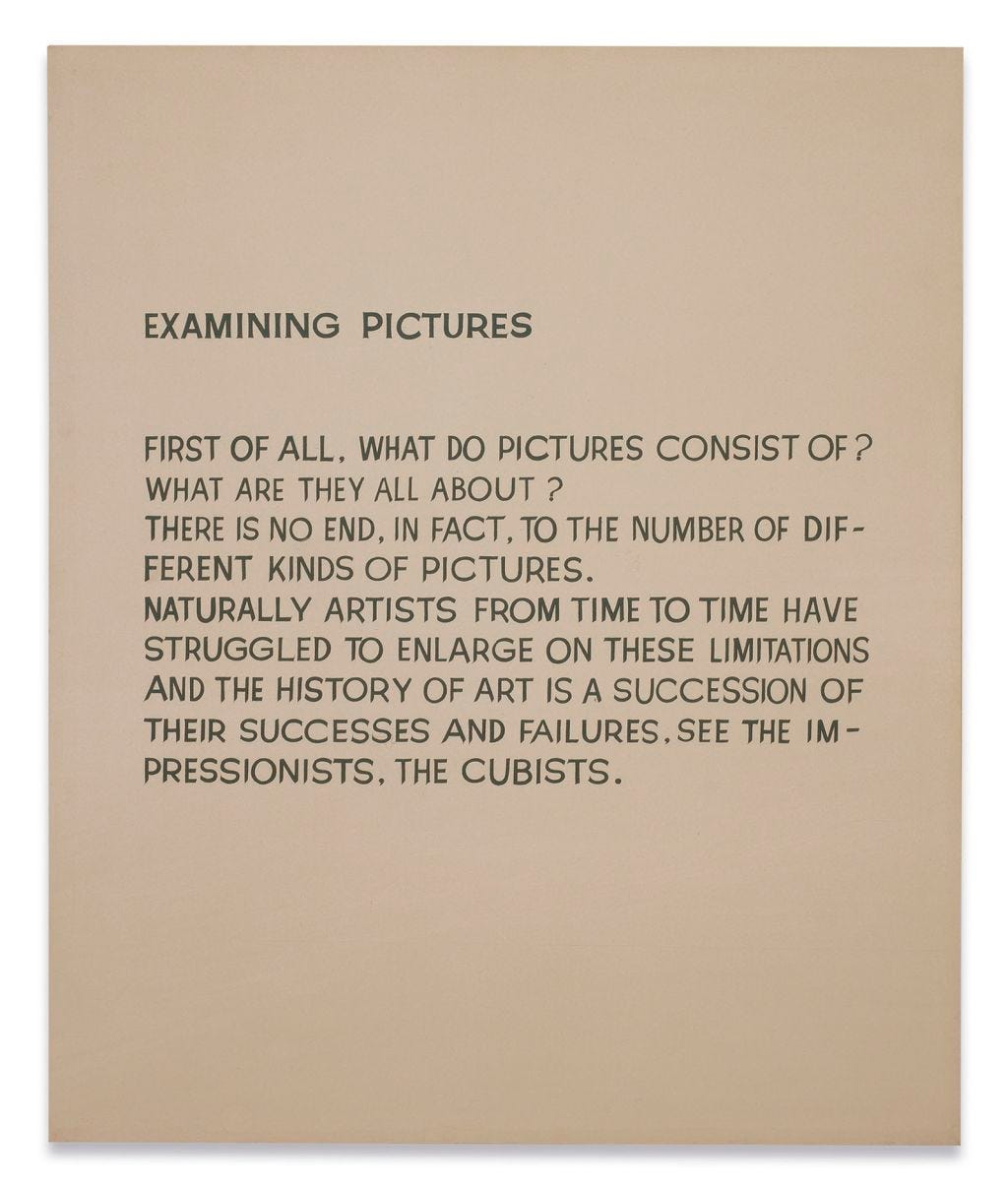
Record. Witness. Authored image. Prompt. These are not four levels of rigor. There are four answers to the question, “What is a photograph?” and they cannot all be right at once.
Now do the thing the rulebooks never make you do until it’s too late: take one ordinary file and walk it through all four rooms.
A landscape. You brightened the sky and cloned out a hiker who wandered into the far corner — a retouch so small you’d forget you made it.
At World Press Photo, you are disqualified. You removed an object from the record.
At Nature Photographer of the Year, you are at serious risk. You altered the witnessed world.
At Sony or LensCulture, you are likely fine — as long as you disclose the work and it isn’t a documentary class.
At PX3, no one so much as blinks.
The photograph never changed. The definition of real did. There is no such thing as a “clean” edit in the abstract — only an edit that is clean for the room you carry it into. A phone shot in HDR is ineligible at one contest and unremarkable at the next. A focus-stacked landscape is routine craft for most of the field and an automatic disqualification at Wildlife Photographer of the Year.
The file is innocent. The frame around it decides everything.
Why it won’t resolve
It would be comforting to think someone will convene a committee and harmonize the rules. They won’t, and it’s worth understanding why.
For a century, the camera was the thing that made a photograph a photograph. That is over — not because of Midjourney, but because the ordinary tools quietly absorbed the magic. Your phone composes an HDR exposure from frames you never saw. Your raw converter removes noise by predicting detail. Generative fill sits one menu over from the crop tool, in the same software every professional already owns.
The camera stopped being a clean line between captured and constructed, and every competition was forced to draw its own border around the word real — and they drew them in different places, for honest reasons rooted in what each one is for. A photojournalism prize cannot afford the artist’s freedom. An art prize cannot afford the journalist’s literalism. Neither is wrong. They are no longer talking about the same object.
The 2026 pile-ons — the dethroned owl, the pulled street frame — are that schism breaking into the open. What looks like a mob is, underneath, a definitional argument with no referee: a crowd enforcing the record creed on photographs that were, in some cases, being judged by the authored image one. The accusation “that’s not a real photograph” only feels obvious because the speaker hasn’t noticed there are four meanings of real on the table, and they’ve picked one.
Where it leaves you
This is the part that matters if you are a photographer and not a philosopher, because the schism doesn’t cost the medium anything. It costs you. It costs you in retracted prizes, lifetime bans, entry fees paid into contests you were never eligible for, and — new in 2026 — your name in a thread defending a photograph you actually took.
You cannot end the argument. But you can refuse to be its casualty. The discipline that protects you is unglamorous and entirely learnable: before you submit, know which of the four photographs this contest believes it is judging. Keep your RAW and your layered file, always. Read the editing clause for every single entry, not once a year — because the same export will be a winner in one inbox and a disqualification in the next, and nothing in the picture will warn you.
A medium that cannot agree on what it is will continue to produce casualties at the border. Don’t be one because you didn’t read the sign.
About the author
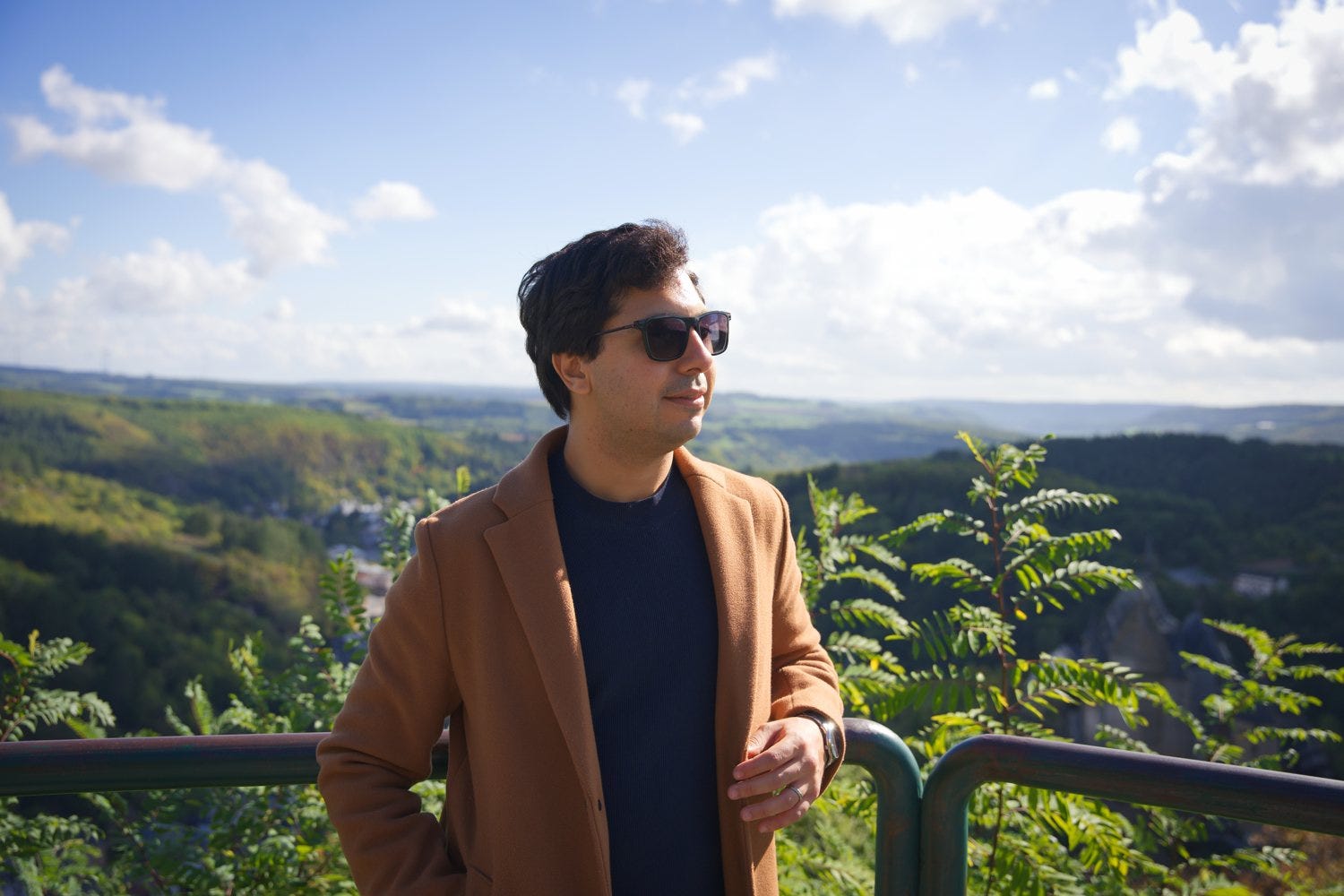
Zied Mnif is a photographer based in Luxembourg and the founder of WinPhoto.io, which analyzes the editing and AI rules of major photo competitions against a photographer’s image and tells them which contests they are actually eligible for — before they pay the entry fee. Follow him on Instagram @ziedmnif.
The four-position split is based on the current published terms of the twenty-four competitions that WinPhoto tracks as of June 2026. Rules change — confirm on each organizer’s page before submitting. World Press Photo’s RAW and sequence verification, upscaler bans, and smartphone-mode exclusions are published on its verification pages. Sony’s origin-and-disclosure rule ("Computer generated content cannot be the origin of the Entry," and "where Entries are manipulated, the extent of which must be described in the image description section when submitting.") is set out in its open-competition terms.
What I loved about your post, and the exercise and pleasure of reading it, was the honesty and transparency of engaging the question from different points of view. The photographer or artist must always engage their own questions in the process of making. Thinking, while critically important, is not as important as how each author, artist, or photographer moves towards their personal finish or result.
I would not think Jerry Ulesman considered his work unprocessed. With five enlargers and pin-registered processing of the combination of objects, landscape, and the meticulous arrangement of everything, Jerry always had a sense of humor as well.
I am all about the questions. For me, it's the deep, honest integrity of the specificity of the inquiry. Ask the right question, and respectfully listen to a response, and the discussion will be transparent. Institutions must show the courage of their convictions. All those different institutions are interrogating image-making from different points on the same compass.
At the school I used to work at, a respected colleague and I were asked to write a new policy about plagiarism in contemporary practices. We looked at a moving needle in the explosion of media and digital processing and a blending of criticisms across new works and traditional practices.
We decided to try to author a new approach to the old problem and define a core of honesty and transparency in practices. After weeks of discussion, research, and word-smithing, we came up with a pretty good inquiry into the problems and some ways to interrogate character, meaning and include new media opportunities and responsibilities.
Our work was rejected by the college as not being direct enough, and in the end, they just plagiarized another institution's document.
Thanks for making my Friday morning more interesting than I thought it was going to be...
This is a very helpful post. Rather than arguing about what a photograph is, the issue is the contextual answers we provide to the question, "what do we mean by 'real'"? And let's face it: it's easier to be dogmatic about the definition of a photograph than it is to be clear about how we define reality. The first can be quite categorical; the second requires work and leads us into challenging discussions about unspoken presuppositions that we'd often rather ignore.